
The Ultimate Stadium Lights Buyers Guide: Choosing the Right LED Lights for Optimal Lighting
LED stadium lights have revolutionized the world of sports lighting, providing exceptional illumination and energy efficiency. Whether it's a football field, soccer facility, tennis court, baseball field, basketball court, or even a golf course, LED lights offer superior performance and durability. In this comprehensive buyer's guide, we will delve into the key factors to consider when purchasing LED stadium lights, assess their quality and performance, explore their various applications, discuss installation and maintenance considerations, and highlight the numerous advantages of switching to LED lights for stadium lighting.
With their advanced technology and innovative features, LED stadium lights have become the go-to lighting solution for sports venues worldwide. These lights not only offer powerful illumination but also deliver significant energy savings, helping facilities reduce their environmental impact and operational costs. Moreover, LED lights provide exceptional color rendering and uniform light distribution, ensuring optimal visibility for players and spectators.
In the following sections, we will explore the key factors to consider when buying LED stadium lights, discuss their quality and performance assessment, examine their various applications in sports settings, delve into installation and maintenance considerations, and highlight the numerous advantages that make LEDs the superior choice for stadium lighting. Let's dive in!
What are LED Stadium Lights?
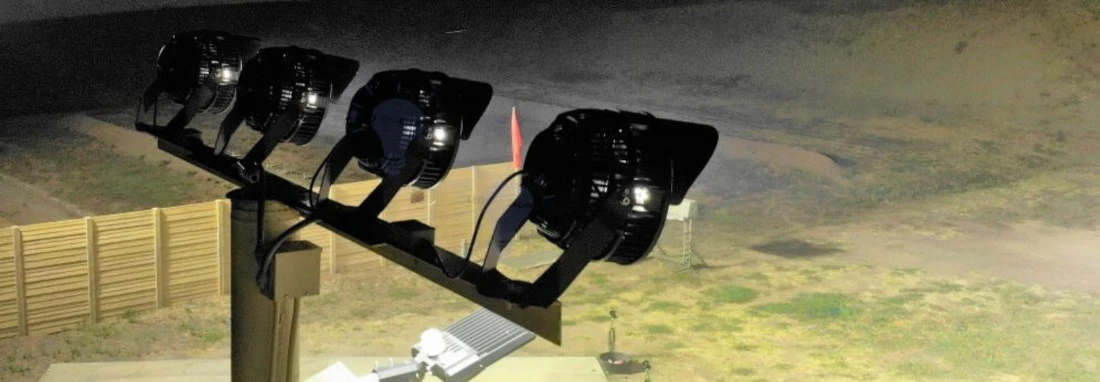
LED stadium lights utilize light-emitting diodes (LEDs) to generate bright and efficient illumination. Unlike traditional lighting options, LED lights produce light through the process of electroluminescence, which converts electrical energy into light with minimal energy wastage as heat. This technology allows LED stadium lights to deliver exceptional performance, longevity, and energy efficiency.
Why is Choosing the Right LED Stadium Lights Important for Optimal Lighting?
Selecting the appropriate LED stadium lights is crucial for achieving optimal lighting conditions in sports venues. Here's why it matters:
- Enhanced Visibility: High-quality LED lights provide superior visibility, ensuring players, officials, and spectators can observe the game with clarity and precision.
- Safety: Adequate lighting reduces the risk of accidents, ensuring athletes can perform at their best without compromising their safety.
- Broadcast Quality: Optimal lighting enhances the quality of televised broadcasts, attracting more viewers and enhancing the overall spectator experience.
What Are The Key Factors to Consider When Buying LED Stadium Lights?
When purchasing LED stadium lights, several factors must be taken into account to make an informed decision. First and foremost, it is crucial to evaluate the brightness and light distribution capabilities of the LED stadium lights to ensure optimal visibility and uniform illumination across the entire playing area. Here are the key considerations:
Light Quality:
When considering LED stadium lights, it is essential to prioritize light quality. Opting for LED lights with a high Color Rendering Index (CRI) is crucial to ensure accurate color representation. The CRI measures the light's ability to reveal the true colors of objects compared to natural light. A higher CRI value, typically above 80, indicates better color rendering.
By choosing LED stadium lights with a high CRI, sports facilities can ensure optimal visibility, reduce eyestrain, and enhance the overall quality of the sporting event.
Advantages over Traditional Lighting Options:
LED lights offer numerous advantages over traditional lighting sources, making them the preferred choice for stadium lighting. One of the significant advantages is their higher energy efficiency. LED technology converts a larger portion of electrical energy into visible light, minimizing energy wastage as heat. This results in substantial energy savings and reduced operating costs for sports facilities.
In addition to energy efficiency, LED lights boast a significantly longer lifespan compared to traditional lighting options. With an average lifespan of 50,000 to 100,000 hours, LED lights outlast traditional bulbs by a wide margin. This longevity eliminates the frequent need for bulb replacements, saving maintenance time and costs.
Furthermore, LED lights provide instant on/off functionality. Unlike traditional lights that require a warm-up period before reaching full brightness, LED lights illuminate instantly, providing immediate and consistent lighting when needed. This feature is especially beneficial during sporting events where quick adjustments to lighting levels may be required.
Determining the Right Beam Angle:
Consider the beam angle of LED lights to ensure proper light distribution and minimize shadows. Narrow beam angles work well for focused areas, while wide beam angles provide broader coverage.
Ideal Color Temperature:
Select LED lights with the appropriate color temperature for the specific sporting event. For outdoor stadiums, cooler color temperatures (5000K-6500K) are recommended for optimal visibility and contrast.
Light Distribution and Uniformity:
Ensure that LED stadium lights provide uniform light distribution across the playing area to eliminate dark spots and shadows, ensuring consistent visibility for players and spectators alike.
How Do You Assess the Quality and Performance of LED Stadium Lights?
When assessing the quality and performance of LED stadium lights, it is important to prioritize certifications and standards. Additionally, evaluating the energy-saving capabilities of LED stadium lights is crucial. Here’s what to look for when evaluating LED stadium lights.
Certifications and Standards - Look for LED lights that comply with recognized certifications and standards such as DLC (DesignLights Consortium) Certification. This ensures that the lights meet specific performance, energy efficiency, and quality criteria.
What is DLC Certification? - This certification ensures that the LED lights have undergone rigorous testing and meet quality standards for energy efficiency, light output, color quality, and other performance metrics. It serves as an industry-recognized mark of excellence, helping consumers and businesses identify high-quality and energy-efficient lighting options.
Energy-Saving Capabilities - LED stadium lights are highly energy-efficient, consuming significantly less electricity compared to traditional lighting options. They can result in substantial energy savings, reducing operating costs for sports facilities.
Uses of LED Stadium Lights
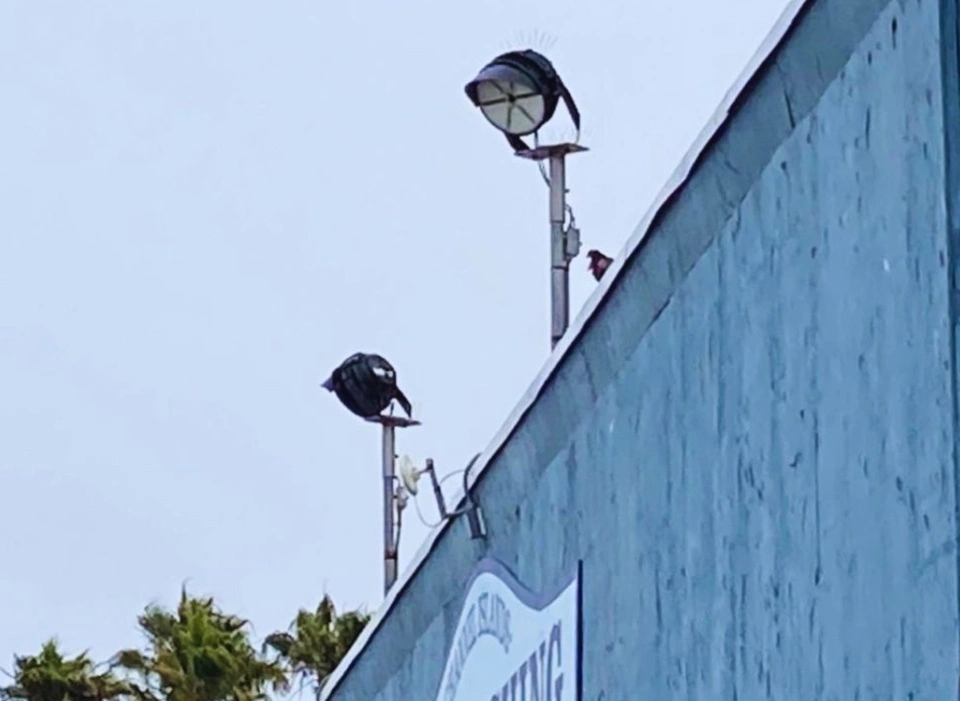
LED stadium lights find versatile applications in various sports venues, including:
Outdoor Football Fields - Most football stadiums are outdoors, so to ensure that games don't have to end by sunset, lights are vital. The focus of lights on a football stadium needs to highlight the field from the perspective of the audience.
Outdoor and Indoor Soccer Facilities - Soccer facilities, whether indoor or outdoor, require thoughtful lighting solutions. In indoor facilities, artificial lighting compensates for the lack of natural light, necessitating proper brightness and minimal glare to enhance visibility. Outdoor facilities benefit from lighting systems that extend playing time, minimize shadows, and meet standards for sports lighting. Strategic placement of lights ensures even distribution and reduces energy consumption. By implementing effective lighting, soccer facilities create an immersive experience for players and spectators, fostering enjoyable gameplay and a vibrant sporting atmosphere.
Tennis Courts - Tennis courts, characterized by their smaller size and enclosed nature, are often fenced to prevent stray balls within a confined area. These courts often serve as prominent features in country clubs and residential communities, necessitating the need for careful consideration of light pollution and effective lighting coverage.
Baseball Fields - Baseball, being an outdoor sport with structured movements, presents unique considerations for lighting. Given its outdoor setting, durable and weatherproof lights are essential to withstand various environmental conditions. To ensure optimal visibility, it is important to achieve an even distribution of lights across the baseball field, focusing on key areas such as the bases and outfield.
Basketball Courts - Basketball distinguishes itself as a predominantly indoor sport at the professional level, which poses unique challenges for lighting due to the absence of natural light. The fast-paced and dynamic nature of basketball requires a well-designed spread of lights that can evenly illuminate the court surface. Given the enclosed nature of indoor basketball courts and the polished floors, it is crucial to carefully manage the lighting setup to prevent excessive glare that could hinder the visibility and performance of the players during the game.
Golf Courses - Golf courses present a unique dynamic in the realm of sports. While golf is traditionally played during the day, the allure of nighttime play, coupled with a cooler and more comfortable environment, makes lighting a golf course a compelling idea. Golf courses are expansive gaming environments, sprawling across vast stretches of hills and obstacles. The advantage of their size is that the leisurely nature of golf, along with fewer spectators, allows for more flexibility in lighting arrangements. It is possible to strategically place lights every few stretches, creating a balanced distribution that provides dimmer overall lighting while still achieving the desired illumination for an exceptional golfing experience after daylight hours.

Installation and Maintenance Considerations for LED Stadium Lights
To ensure optimal performance and longevity of LED stadium lights, pay attention to the following installation and maintenance considerations:
- Mounting Options: LED stadium lights can be mounted on poles, walls, or structures, offering flexibility in installation based on the specific requirements of the sports venue.
- Coverage Area: Consider the coverage area provided by LED stadium lights to ensure proper illumination across the entire playing surface, minimizing dark areas.
- Lumen Output: LED stadium lights typically have a high lumen output, ranging from several thousand to tens of thousands, ensuring bright and well-illuminated playing conditions.
- Mounting Height: The optimal mounting height of LED stadium lights depends on factors such as the venue's size and the required lighting levels. Consult lighting professionals to determine the appropriate mounting height for your specific needs.
- Maintenance Practices: Implement regular cleaning and inspection routines to maximize the lifespan of LED lights. Keeping the fixtures free from debris and dust will help maintain their performance and efficiency.
Why Switch to LEDs for Stadium Lighting
Switching to LEDs for stadium lighting offers several advantages. LEDs are energy-efficient, providing significant cost savings in terms of electricity consumption and maintenance. Additionally, LEDs offer improved visibility, enhanced color rendering, and longer lifespan, ensuring optimal lighting conditions and a better overall experience for players and spectators
Initial Cost:
While LED stadium lights may have a higher upfront cost compared to traditional lighting options, their long-term benefits far outweigh the initial investment, thanks to their energy efficiency and durability.
Advantages over Traditional Lighting Sources:
- Energy Efficiency: LED lights consume significantly less energy, resulting in reduced energy bills and lower carbon emissions.
- Long-Life and Low Maintenance: LED lights have an extended lifespan, requiring minimal maintenance and replacement compared to traditional lights.
- Reducing Light Pollution: LED lights can be precisely directed, minimizing light spillage and reducing light pollution in surrounding areas.
Choosing the right LED stadium lights is essential for achieving optimal lighting conditions in sports venues. By considering factors such as light quality, energy efficiency, beam angle, color temperature, and light distribution, sports facilities can ensure enhanced visibility, safety, and a superior spectator experience. With their numerous advantages and significant energy savings, LED stadium lights are the clear choice for sports lighting, offering long-lasting performance and remarkable efficiency.
