
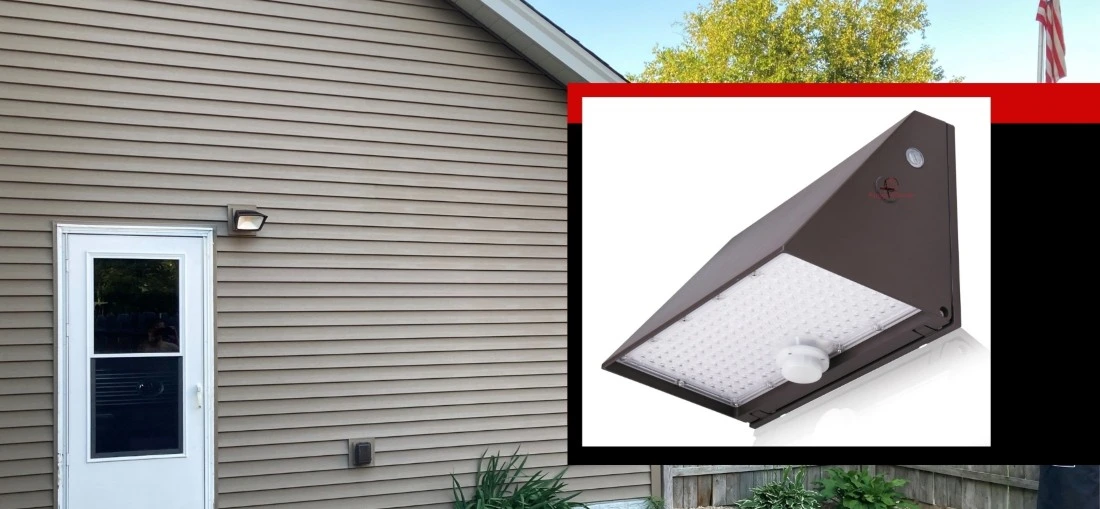
Where to Install Motion Sensor Wall Lights to Eliminate Security Dark Zones
Posted by James Crowley on 9/17/2026 to
Commercial perimeters and industrial yards frequently suffer from unlit shadows—concealing blind spots along fence lines, obscuring loading bay alcoves, and leaving unmonitored entry doors vulnerable after hours. Resolving these security gaps involves much more than mounting a few random fixtures; it requires strategic positioning that aligns sensor detection zones with critical property access routes. In this RuggedGrade guide, we uncover how targeted fixture placement transforms vulnerable shadow zones into fully protected perimeters. We will examine how optimizing mounting heights, configuring crossover sensor ranges, positioning fixtures at structural egress points, and leveraging smart bi-level dimming work in tandem to eliminate intruder coverage, enhance surveillance clarity, and deliver reliable 24/7 security for your facility.
(0) Comments

How Do You Reduce Glare in LED Sports Lighting to Keep Players Safe?
Posted by James Crowley on 8/13/2026 to
LED Stadium Lights
High-intensity athletic lighting often creates severe visual discomfort when improperly directed—blinding outfielders tracking fly balls, disorienting goalies on split-second plays, and degrading the experience for fans in the stands. Resolving this challenge requires far more than dropping overall fixture wattage; it demands precise optical management that controls high-angle brightness without sacrificing field illumination. In this RuggedGrade guide, we explore how cutting-edge LED sports lighting engineering eliminates dangerous glare while maintaining uniform foot-candle coverage. We will break down how specialized NEMA beam distributions, internal louver shielding, indirect optical design, and strategic mounting height work together to protect athlete sightlines, enforce league safety compliance, and deliver crisp, high-visibility performance across every play.
Why Modern Businesses Trust Solar Flood Lights for 24/7 Perimeter Safety
Posted by James Crowley on 7/16/2026 to
LED news
Securing a commercial perimeter with traditional grid-tied lighting often requires expensive, destructive trenching just to run power to distant fence lines—leaving your property vulnerable to high utility bills and blackouts. To bypass these infrastructure bottlenecks, modern businesses are turning to self-sustaining solar LED flood lights as a smarter, off-grid security strategy. In this RuggedGrade guide, we explore why industrial solar flood lights have become the trusted choice for 24/7 perimeter safety. We will break down how advanced battery storage guarantees continuous overnight performance during grid failures, how eliminating trenching delivers immediate capital savings, and how smart sensors and weatherproof construction provide reliable, zero-cost protection for your facility.
.webp)
Why Warehouses Depend on Industrial High Bays: The Hidden Costs of Bad Lighting
Posted by James Crowley on 6/18/2026 to
LED warehouse lights
Operating a large-scale warehouse with outdated or poorly planned lighting does far more than just dim your facility; it quietly drains your bottom line through skyrocketing utility bills, frequent operational disruptions, and hidden maintenance fees. From the steep financial penalty of renting scissor lifts every time an old metal halide bulb burns out to the massive drop in worker productivity caused by dangerous shadows and eye strain in high-rack aisles, inadequate illumination introduces liabilities that directly impact your profitability. While some facility managers treat high-ceiling lighting as an afterthought, professional illumination relies on precise optics, color rendering, and energy efficiency to maintain a safe, OSHA-compliant environment. In this comprehensive RuggedGrade guide, we explore the true costs of inadequate warehouse lighting and break down exactly why industrial LED high bays are essential, covering massive energy reductions, vertical foot-candle requirements for accurate inventory picking, instant-on technology, and how smart sensors eliminate daytime waste to deliver a rapid return on investment.
Light Corn Bulb Base Guide: E26 vs E39 and Why It Matters
Posted by James Crowley on 5/14/2026 to
LED Corn Light Bulb News
Selecting the wrong base size for your LED retrofit can lead to more than just a minor inconvenience; it can result in wasted project time, mismatched electrical loads, and even structural failures in high-wattage industrial applications. From the frustration of ordering high-output corn bulbs that simply won't fit into standard residential sockets to the safety risks of improperly mounting heavy industrial bulbs without the necessary mogul-base support, understanding the physical and technical differences between E26 and E39 bases is essential for any successful lighting upgrade. While they may look similar in photos, the distinction between a standard "medium" base and a "mogul" base involves critical factors like heat dissipation, weight capacity, and voltage compatibility that directly impact the lifespan of your fixtures. In this RuggedGrade guide, we’ll break down everything you need to know about LED corn bulb bases, exploring the specific dimensions of E26 vs. E39, the importance of base-size-to-wattage ratios, when to use socket reducers safely, and how to identify the correct base for your existing fixtures to ensure a seamless, professional-grade installation.

How to Choose Tennis Court Lights: Wattage, Lumens, and Beam Angles
Posted by James Crowley on 4/16/2026 to
LED Stadium Lights

Temporary Construction Lighting Buying Guide: What to Look For
Posted by James Crowley on 3/19/2026 to
News
Purchasing temporary construction lighting without understanding critical specifications like weatherproof ratings, power requirements, and safety certifications leads to job site delays, worker hazards, and equipment failures that could have been prevented with informed buying decisions. From choosing underpowered fixtures that create dangerous dark zones to selecting lights with inadequate weather protection that fail during storms or overlooking OSHA compliance requirements that result in citations, common buying mistakes don't just waste money—they compromise worker safety, delay project timelines, and expose contractors to liability risks. Understanding essential factors like lumen output for different applications, IP ratings for weather resistance, proper electrical configurations, and durability features ensures you invest in temporary lighting that withstands harsh job site conditions while providing safe, reliable illumination. In this comprehensive buying guide from RuggedGrade, we'll walk you through the critical specifications and features to evaluate when purchasing temporary construction lights, covering brightness requirements, weatherproof standards, power options, mounting configurations, safety certifications, and durability indicators to help you select lighting solutions that keep your job site safe, compliant, and productive from project start to completion.

Understanding the Kelvin Scale: From Warm to Cool White Light
Posted by James Crowley on 2/25/2026 to
News
Choosing LED lighting without understanding the Kelvin scale leads to spaces that feel uncomfortable, unproductive, or simply wrong—despite technically adequate brightness levels. From selecting warm 3000K lights for warehouses that need crisp visibility to installing harsh 6500K fixtures in restaurants seeking inviting ambiance, color temperature mistakes don't just affect aesthetics—they impact employee productivity, customer comfort, safety perception, and even sales performance in retail environments. Understanding what Kelvin numbers actually mean, how color temperature affects human perception and behavior, and which ranges work best for specific applications ensures you select lighting that enhances your space rather than undermines it. In this comprehensive guide from RuggedGrade, we'll break down the Kelvin scale from warm whites (2700K-3000K) through neutral tones (4000K) to cool whites (5000K-6500K), explaining the psychological and practical effects of each range and helping you choose the right color temperature for residential, commercial, industrial, and outdoor applications.

LED Grow Light Buying Guide: What to Look for Before You Buy
Posted by James Crowley on 2/17/2026 to
News
Purchasing LED grow lights without understanding critical specifications like PAR output, spectrum distribution, and coverage footprint leads to stunted plant growth, wasted investment, and cultivation results that fall far short of expectations. From choosing fixtures with impressive wattage numbers but inadequate photosynthetic efficiency to selecting the wrong spectrum for your growth stage or overlooking heat management issues, common buying mistakes don't just compromise yields—they result in energy waste, equipment failures, and the expensive necessity of replacing poorly chosen systems. Knowing how to evaluate actual photosynthetic output rather than marketing claims, understanding which wavelengths your plants actually need, and calculating proper light intensity and coverage for your growing space ensures you invest in LED grow lights that deliver measurable results and healthy returns. In this essential buying guide from RuggedGrade, we'll walk you through the key factors that separate effective grow lights from expensive disappointments, covering spectrum requirements, PAR and PPFD measurements, coverage calculations, build quality indicators, thermal management, and certification standards to help you select LED grow lights that optimize plant health, maximize yields, and provide reliable performance throughout your cultivation operation.
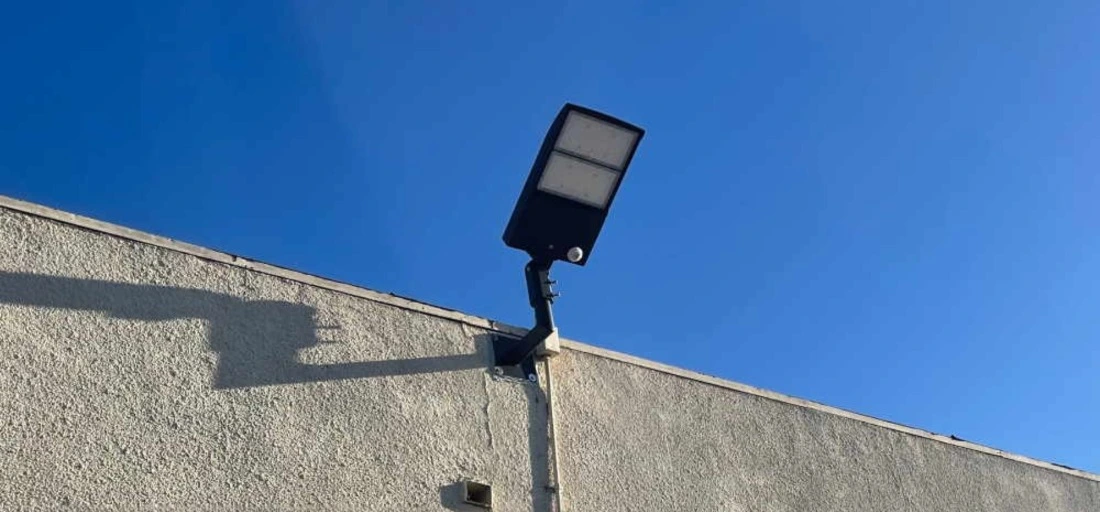
Motion Sensor LED Flood Lights vs. Always-On Lights: A Cost Comparison Guide
Posted by James Crowley on 1/29/2026 to
LED news
Choosing between motion sensor and always-on LED flood lights without understanding the true cost differences leads to wasted energy expenses, unnecessary upfront investments, and lighting solutions that don't match your actual security or operational needs. From overestimating the benefits of always-on fixtures that run 24/7 to underestimating motion sensor savings in low-traffic areas, common decision-making mistakes don't just inflate monthly utility bills—they result in poor ROI, excessive light pollution, and missed opportunities for energy rebates and incentives. Understanding how motion detection technology reduces runtime, how always-on fixtures perform in high-traffic applications, and how to calculate real-world energy consumption and payback periods ensures you select the most cost-effective lighting solution for your specific property and usage patterns. In this comprehensive cost comparison guide from RuggedGrade, we'll break down the true expenses of both options, analyzing upfront costs, energy consumption, maintenance requirements, lifespan considerations, and total cost of ownership to help you make an informed decision that maximizes security while minimizing long-term operating expenses.
LED Street Light Specifications: Understanding Lumens, Wattage, and Coverage
Posted by James Crowley on 1/14/2026 to
LED news
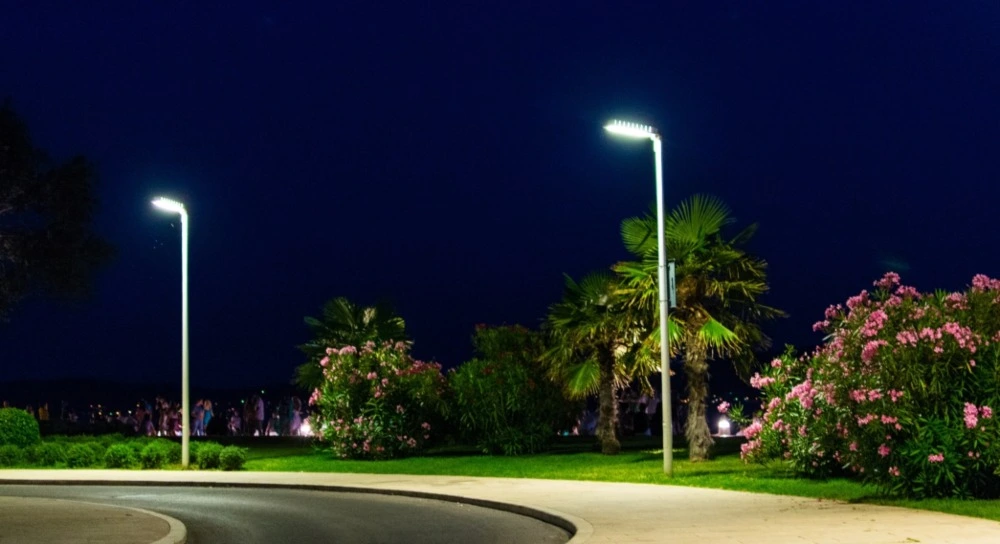
Choosing LED street lights without understanding lumens, wattage, and coverage calculations leads to inadequate illumination, wasted energy costs, and installations that fail to meet municipal safety standards. From selecting insufficient lumen output that creates dangerous dark spots to oversizing wattage that inflates operating costs, common specification mistakes don't just compromise visibility—they result in non-compliant installations, increased liability risks, and expensive retrofits to correct poor planning. Understanding how lumens determine brightness levels, how wattage relates to pole height and spacing, and how to calculate proper coverage ensures you select street lights that deliver uniform, energy-efficient illumination while meeting IES standards and local requirements. In this comprehensive guide from RuggedGrade, we'll break down LED street light specifications, explaining lumen requirements for different road types, wattage selection criteria, coverage calculations, and spacing standards to help you design safe, compliant, and cost-effective street lighting systems.

How to Choose Explosion Proof Lights for Your Facility: Step-by-Step Guide
Posted by James Crowley on 12/31/2025 to
News
Selecting the wrong explosion proof lights creates catastrophic safety risks, regulatory violations, and costly non-compliance penalties that could be prevented with proper hazardous location assessment and product selection. From misclassified Division ratings and inadequate temperature codes to uncertified fixtures and improper installation methods, common specification errors don't just fail inspections—they endanger workers, expose facilities to liability, and result in expensive retrofits or worse, preventable explosions. Understanding hazardous area classifications, NEC requirements, and certification standards before purchasing ensures you select explosion proof lighting that meets Class, Division, and Group specifications while providing safe, compliant illumination for oil and gas, chemical processing, mining, or other high-risk environments. In this step-by-step guide from RuggedGrade, we'll walk you through the complete selection process for explosion proof lights, covering hazardous location assessment, certification verification, temperature rating requirements, and fixture specifications to help you make confident, compliant decisions that protect your facility, workers, and operations.
Ceiling Light Buying Guide: What to Look for Before You Buy
Posted by James Crowley on 12/11/2025 to
LED news
Choosing the wrong ceiling lights leads to inadequate illumination, wasted energy costs, and expensive returns or replacements that could be avoided with informed purchasing decisions. From mismatched color temperatures and insufficient lumen output to incompatible dimmer switches and improper wet ratings, common buying mistakes don't just create poor lighting—they result in flickering fixtures, premature burnouts, and installations that fail to meet your functional or aesthetic needs. Understanding the critical specifications, compatibility requirements, and application-specific factors before purchasing ensures you select ceiling lights that deliver the right brightness, efficiency, and performance for your space while avoiding costly mistakes. In this comprehensive buying guide from RuggedGrade, we'll walk you through everything you need to know before buying ceiling lights, covering essential criteria like lumens, color temperature, fixture types, mounting options, energy ratings, and room-specific requirements to help you make confident purchasing decisions that provide reliable, efficient illumination for years to come.

Understanding High Bay Light Beam Angles: 60° vs. 90° vs. 120°
Posted by James Crowley on 11/26/2025 to
LED warehouse lights
Choosing the wrong beam angle for high bay lights creates inefficient lighting layouts with dark spots, wasted energy, and poor uniformity that undermines productivity and safety in industrial facilities. The beam angle—whether 60°, 90°, or 120°—directly affects light distribution patterns, fixture spacing requirements, and how evenly illumination reaches your warehouse floor, manufacturing area, or high-ceiling space. Many facility managers select high bay fixtures based solely on wattage and lumens without considering how beam angle impacts coverage, leading to over-lit aisles with shadowy corners or excessive fixture counts that inflate installation costs. In this practical guide from RuggedGrade, we'll explain the critical differences between 60°, 90°, and 120° beam angles, showing you how mounting height, ceiling structure, and application type determine the optimal choice for achieving uniform, efficient illumination that meets your operational needs while minimizing energy waste and installation expenses.
5 Most Common Stadium Lighting Failures And How to Prevent Them
Posted by James Crowley on 11/6/2025 to
LED Stadium Lights
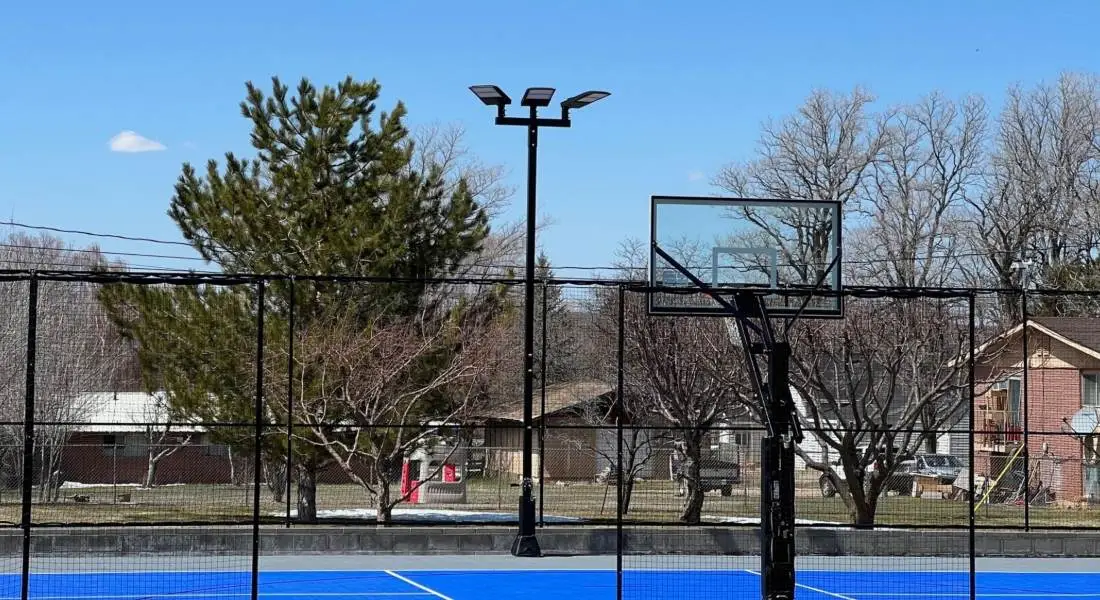
Stadium lighting failures during games, tournaments, or events create safety hazards, revenue losses, and reputational damage that could be prevented with proper maintenance and system design. From premature lamp burnout and voltage fluctuations to thermal overload and control system malfunctions, these common failures don't just disrupt play—they result in expensive emergency repairs, postponed events, and potential liability issues. Understanding the root causes of stadium lighting failures and implementing preventive measures can save facility managers thousands in repair costs while ensuring consistent, reliable illumination for athletes, spectators, and broadcast crews. In this essential guide from RuggedGrade, we'll reveal the 5 most common stadium lighting failures and provide proven strategies to prevent them, helping you maintain optimal performance, extend fixture lifespan, and avoid costly game-day blackouts.

How Do LED Solar Street Lights Work? Complete Technology Guide
Posted by James Crowley on 10/30/2025 to
LED news
LED solar street lights have revolutionized outdoor lighting by eliminating the need for grid connections, trenching, and ongoing electricity costs—but understanding how these self-contained systems actually work is essential for making informed purchasing and installation decisions. Many municipalities, developers, and property managers are drawn to solar street lighting without fully grasping the integrated technology that powers these fixtures through the night, leading to unrealistic expectations about performance, placement requirements, and maintenance needs. From photovoltaic panel efficiency and battery storage capacity to intelligent charge controllers and high-performance LED arrays, each component plays a critical role in delivering reliable illumination from dusk to dawn. In this comprehensive technology guide from RuggedGrade, we'll break down exactly how LED solar street lights work, explaining the complete energy conversion process, automated control systems, and engineering principles that make off-grid street lighting a viable solution for roads, pathways, parking areas, and remote locations where traditional electrical infrastructure is costly or impractical.
Parking Lot Lighting Layout: Common Mistakes and How to Avoid Them
Posted by James Crowley on 10/9/2025 to
LED Parking Lot Lights
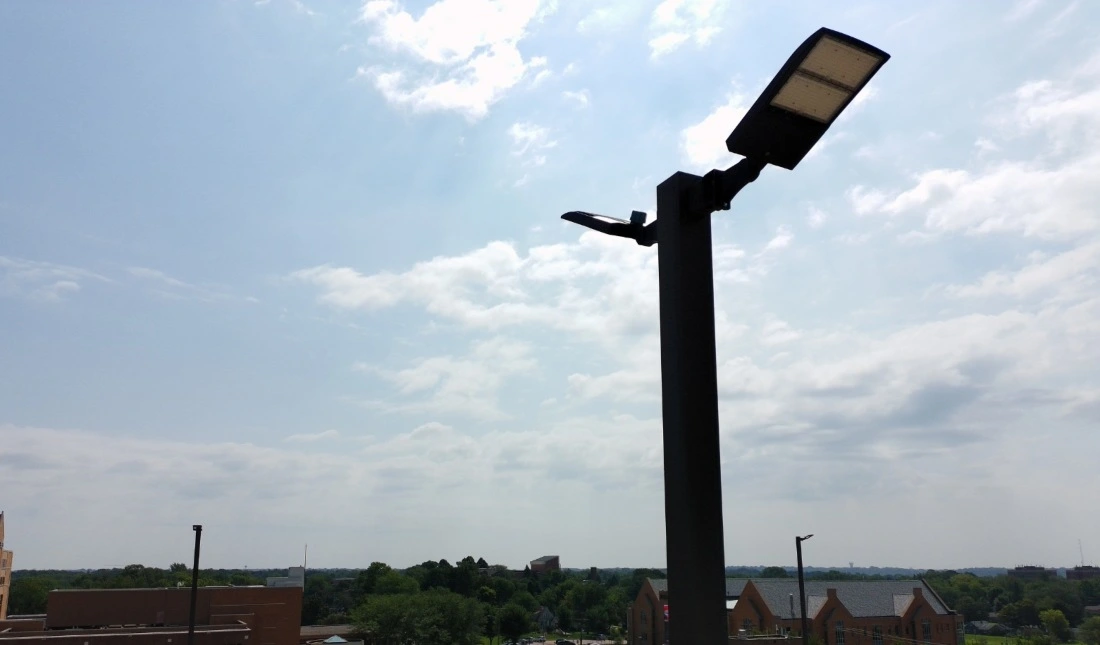
A poorly designed parking lot lighting layout creates dangerous dark spots, security vulnerabilities, and costly energy waste that could have been avoided with proper planning. Common mistakes like inadequate fixture spacing, incorrect mounting heights, and poor uniformity don't just fail safety standards—they expose property owners to liability risks and result in expensive retrofits down the line. Understanding these frequent design errors before installation can save thousands of dollars while ensuring your parking lot meets code requirements and provides safe illumination for customers and employees. In this practical guide, we'll reveal the most common parking lot lighting layout mistakes and show you how to avoid them, covering proper fixture placement, spacing calculations, and uniformity standards that deliver safe, compliant, and energy-efficient results.

Outdoor LED Wall Lights: Enhancing Curb Appeal and Security
Posted by James Crowley on 9/11/2025 to
LED news
Outdoor LED wall lights serve a dual purpose that goes beyond simple illumination—they're powerful tools for enhancing both your property's curb appeal and security simultaneously. The right wall-mounted LED fixtures can transform your home's exterior aesthetic while providing crucial safety lighting that deters intruders and guides visitors safely to your entrance. From sleek modern sconces that complement contemporary architecture to traditional lantern styles that add classic charm, outdoor LED wall lights offer endless design possibilities while delivering energy-efficient performance and long-lasting reliability. In this comprehensive guide, we'll explore how to select and position outdoor LED wall lights to maximize both their visual impact and security benefits, covering everything from fixture styles and placement strategies to smart lighting features that can elevate your home's exterior lighting system to the next level.

Adding a Switch to the Base of a Light Pole, Junction Boxes for LED Lights
Posted by James Crowley on 8/20/2024 to
LED news
Enhancing control and safety in outdoor lighting is crucial, especially when it comes to LED light poles. One often overlooked but highly practical modification is adding a switch to the base of the light pole using junction boxes. This simple upgrade not only improves functionality but also ensures that electrical connections remain secure and protected. In this guide, we'll explore the benefits of modifying light poles with switches and junction boxes, including the convenience of managing your lighting directly at the pole without needing to access the main electrical panel. Whether for maintenance or easy control, discover how this small adjustment can make a big difference in the efficiency and safety of your outdoor lighting system.

5 Things to Consider When Buying LED Light Bulbs
Posted by James Crowley on 8/22/2023 to
LED Corn Light Bulb News
LED light bulbs have revolutionized the lighting industry, providing a range of benefits that make them increasingly popular among homeowners and businesses alike. Not only do LED bulbs offer energy efficiency and long lifespan, but they also provide versatile lighting options. However, with the growing availability of LED light bulbs in the market, it's crucial to make informed choices to ensure you get the best value for your money. In this blog post, we will discuss five essential factors to consider when purchasing LED light bulbs, enabling you to select the right ones for your needs.
The Ultimate Guide to LED Warehouse Lighting: Choosing the Best Light for Maximum Efficiency
Posted by James Crowley on 8/1/2023 to
LED warehouse lights
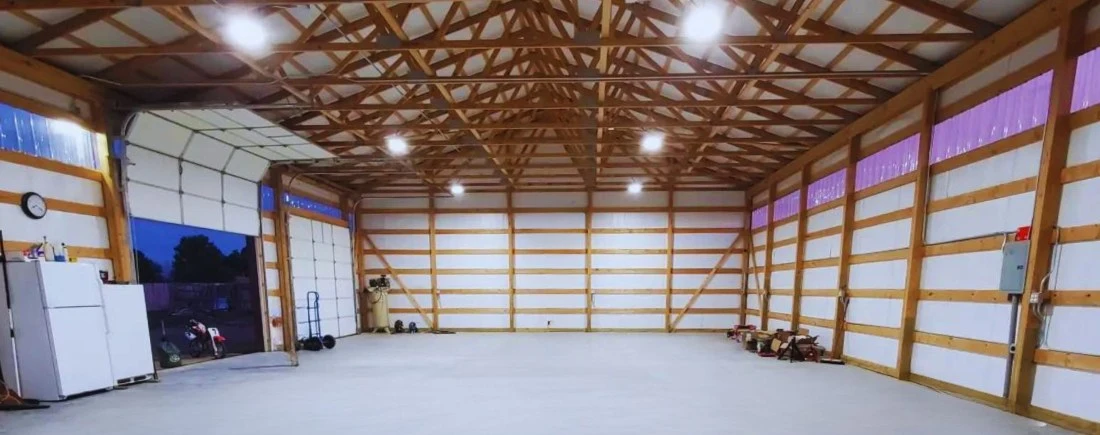
Proper lighting plays a crucial role in warehouse environments, impacting productivity, safety, and energy efficiency. Among the various lighting options available today, LED warehouse lighting has emerged as a leading choice for its exceptional performance and benefits. In this comprehensive guide, we will explore the importance of warehouse lighting, the impact it has on productivity, safety, and energy efficiency, and the key factors to consider when choosing the best light for your warehouse. We will also answer common questions and provide valuable insights into determining the right lighting for your specific needs. Let's delve into the world of LED warehouse lighting.
LED Light Basics: Illuminating the Future of Lighting
Posted by James Crowley on 7/11/2023 to
LED Corn Light Bulb News
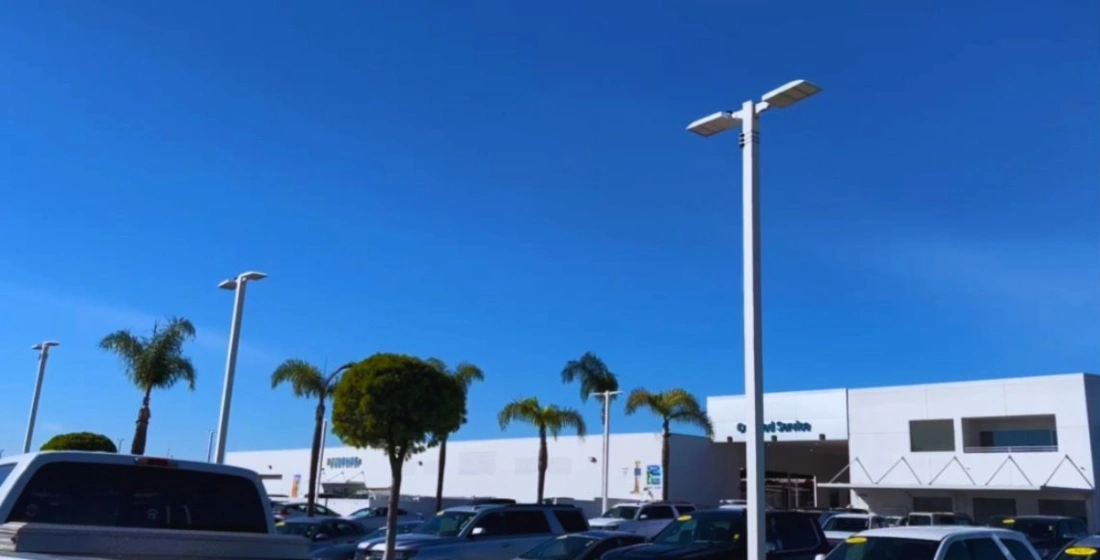
In recent years, LED lights have revolutionized the world of lighting with their remarkable efficiency, longevity, and versatility. Whether you're looking to upgrade your home, office, or outdoor space, understanding the basics of LED lights is crucial for making informed decisions. In this comprehensive guide, we will delve into the principles of LED lights, their benefits, various types, essential specifications, and valuable tips for choosing the right LED lights.

Advantages of Purchasing LED Lights from a Wholesale Supplier
Posted by James Crowley on 6/27/2023 to
LED news
When it comes to buying LED lights, considering a wholesale supplier can offer numerous benefits. Wholesale suppliers specialize in providing LED lighting solutions in bulk quantities, catering to both commercial and residential needs. This article explores the advantages of purchasing LED lights from wholesale suppliers, including cost savings, wide product selection, quality assurance, and factors to consider when choosing a wholesale LED lights supplier.
LED Stadium Lights are Brighter and Better - Are you making the switch?
Posted by James Crowley on 5/7/2020 to
LED Stadium Lights
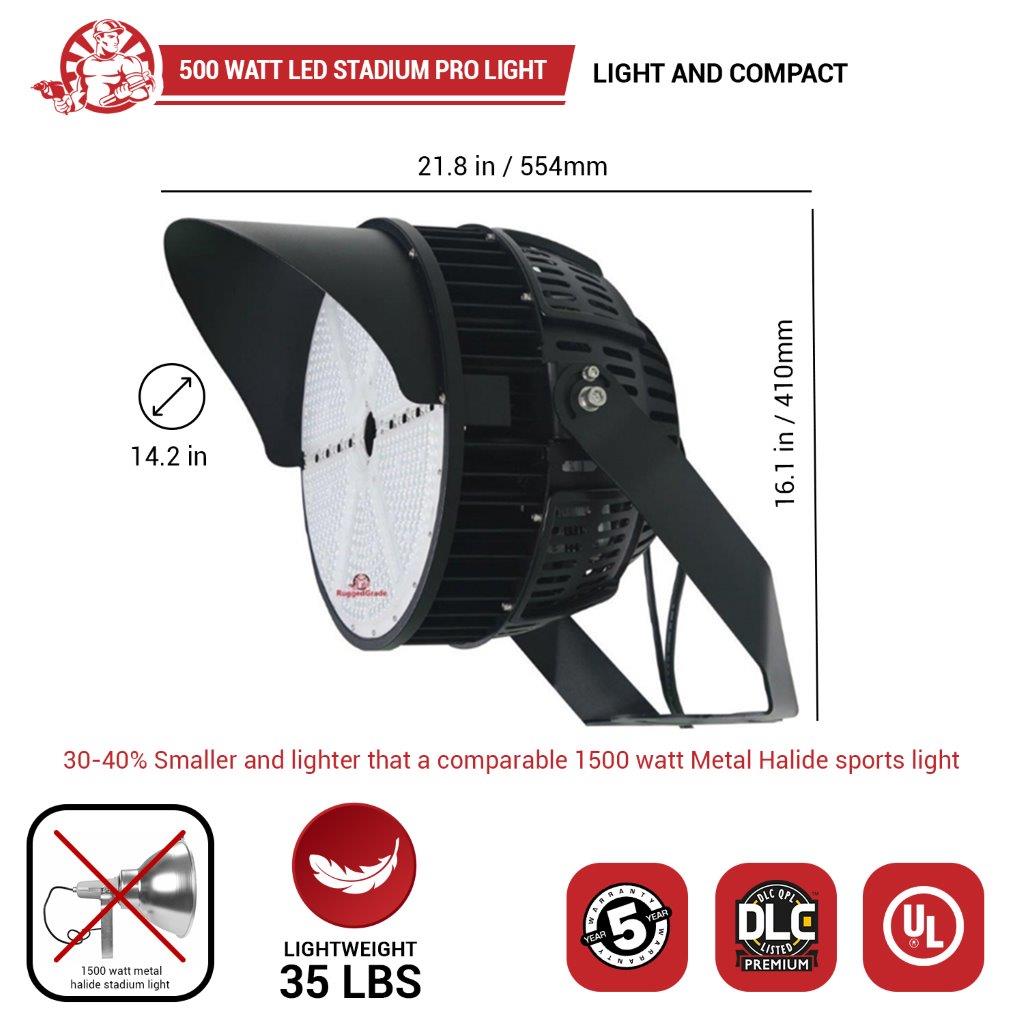
Changing to LED Stadium Lights is Brighter and Better The difference between night and day is dramatic, as the idiom suggests. The task of turning dark into something that resembles daylight for sports participants, fans, and television is not an
Time to change over to LED Parking Lot Lights
Posted by Rachel on 4/19/2020 to
LED Parking Lot Lights
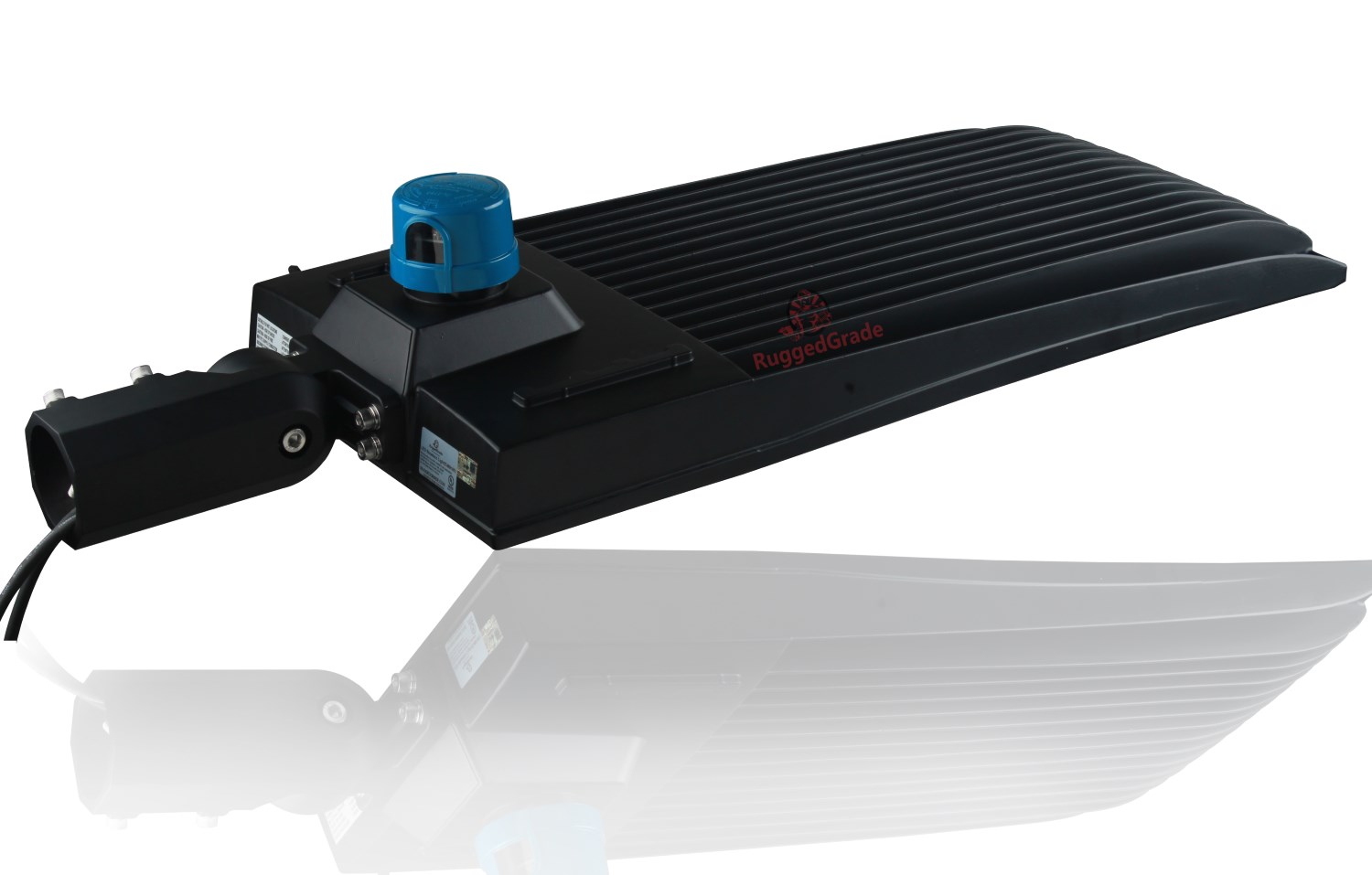
When it comes to illumination, some of the areas that gives property owners a headache includes parking lot lights. It is due to the need for the illumination system to accommodate both vehicular and pedestrian traffic, endure harsh operating environments, address public safety concerns, and observe lighting quality issues. All with out costing a ton to operate.
