

Understanding High Bay Light Beam Angles: 60° vs. 90° vs. 120°
Posted by James Crowley on 11/26/2025 to
LED warehouse lights
Choosing the wrong beam angle for high bay lights creates inefficient lighting layouts with dark spots, wasted energy, and poor uniformity that undermines productivity and safety in industrial facilities. The beam angle—whether 60°, 90°, or 120°—directly affects light distribution patterns, fixture spacing requirements, and how evenly illumination reaches your warehouse floor, manufacturing area, or high-ceiling space. Many facility managers select high bay fixtures based solely on wattage and lumens without considering how beam angle impacts coverage, leading to over-lit aisles with shadowy corners or excessive fixture counts that inflate installation costs. In this practical guide from RuggedGrade, we'll explain the critical differences between 60°, 90°, and 120° beam angles, showing you how mounting height, ceiling structure, and application type determine the optimal choice for achieving uniform, efficient illumination that meets your operational needs while minimizing energy waste and installation expenses.
(0) Comments
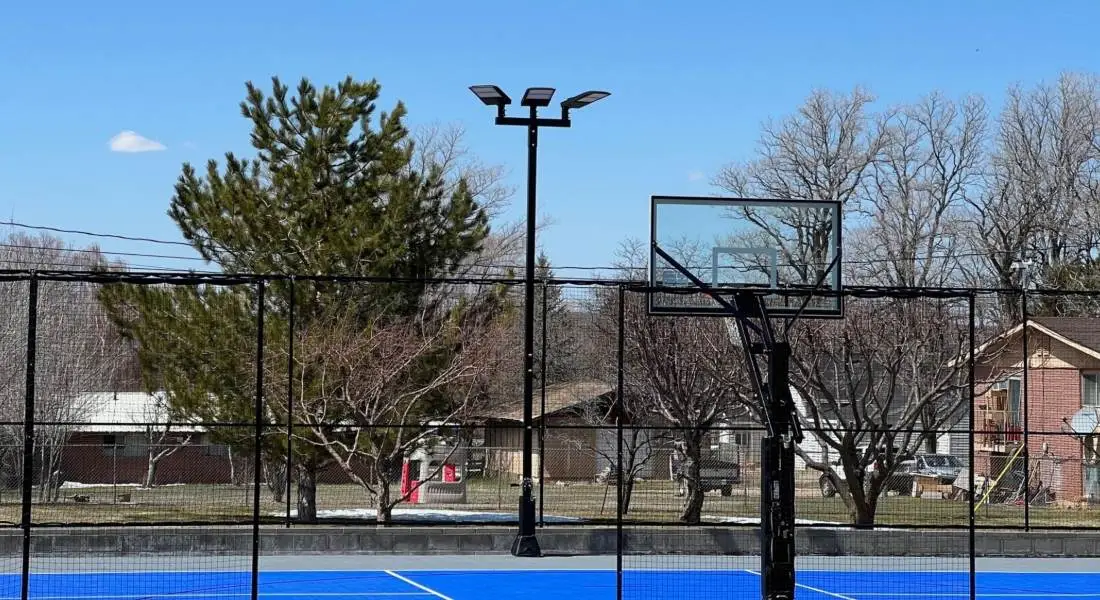
5 Most Common Stadium Lighting Failures And How to Prevent Them
Posted by James Crowley on 11/6/2025 to
LED Stadium Lights
Stadium lighting failures during games, tournaments, or events create safety hazards, revenue losses, and reputational damage that could be prevented with proper maintenance and system design. From premature lamp burnout and voltage fluctuations to thermal overload and control system malfunctions, these common failures don't just disrupt play—they result in expensive emergency repairs, postponed events, and potential liability issues. Understanding the root causes of stadium lighting failures and implementing preventive measures can save facility managers thousands in repair costs while ensuring consistent, reliable illumination for athletes, spectators, and broadcast crews. In this essential guide from RuggedGrade, we'll reveal the 5 most common stadium lighting failures and provide proven strategies to prevent them, helping you maintain optimal performance, extend fixture lifespan, and avoid costly game-day blackouts.
