

Posted by James Crowley on 1/29/2026 to
LED news
Outdoor flood lighting does more than light up a space. It affects monthly energy bills, long-term maintenance costs, and how safe a property feels after dark. The choice between Motion Sensor LED Flood Lights and always-on fixtures is not just about preference. It is a decision that impacts operating costs, environmental footprint, and security performance over time.
Both options use efficient LED technology, but how and when the light turns on makes a major difference in total cost and effectiveness.

Understanding the Two Lighting Approaches
What Are Motion Sensor LED Flood Lights?
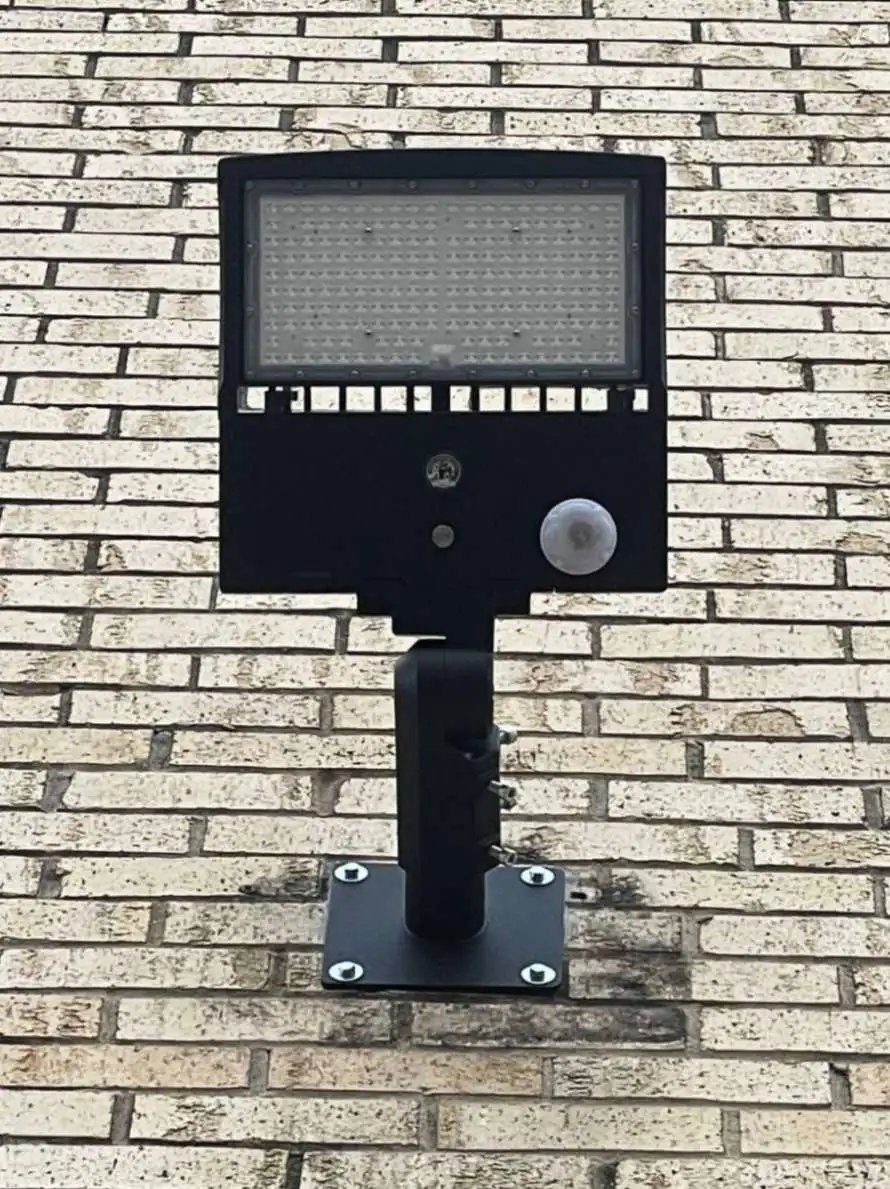
Motion Sensor LED Flood Lights combine high-output LED fixtures with integrated or external motion sensors. These sensors detect movement using infrared or microwave technology and activate the light only when motion is present.
A led flood light with motion sensor typically stays off until movement is detected within a defined range and angle. Once triggered, the light remains on for a preset duration before shutting off again.
Common applications include:
- Home security zones
- Driveways and side yards
- Parking areas
- Commercial building perimeters
- Backyards and alleyways
Because the light is not running continuously, led motion sensor flood lights dramatically reduce total operating hours.
What Are Always-On LED Flood Lights?
Always-on LED flood lights operate continuously from dusk to dawn or on a fixed schedule. These fixtures provide constant illumination regardless of activity in the area.
Typical use cases include:
- High-traffic walkways
- Commercial parking lots with steady nighttime use
- Industrial facilities requiring constant visibility
- Areas monitored by security cameras that need consistent lighting
In these scenarios, constant illumination may be required for safety, surveillance clarity, or compliance reasons.
Upfront Cost Comparison
Fixture cost: motion sensor vs. standard LED flood lights
In most cases, led flood lights with motion sensor cost more upfront than standard LED flood lights. The added expense comes from the sensor hardware and control electronics.
On average:
- Standard LED flood light: lower initial fixture cost
- Motion sensor LED flood light: moderate price increase depending on sensor quality and detection range
The difference is usually modest when compared to the total installed lighting cost.
Installation differences and wiring considerations
Installation complexity is similar for both options, especially when motion sensors are integrated into the fixture. Standalone sensors may require additional wiring, but this is typically minor for licensed installers.
Key considerations include:
- Sensor placement to avoid false triggers
- Adjusting sensitivity and time-delay settings
- Avoiding interference from passing traffic or wildlife
Are motion sensors worth the added upfront investment?
In most residential and many commercial applications, the added upfront cost is offset by reduced energy usage within the first few years of operation.
That principle applies directly to lighting strategies that limit unnecessary runtime.
Annual Cost Comparison: Motion Sensor vs. Always-On
Sample cost breakdown
Consider a single 100 watt LED flood light:
- Power draw: 100 watts
- Utility rate: $0.12 per kWh
Always-on operation
- 12 hours per night
- 4,380 hours per year
- Annual energy use: 438 kWh
- Annual cost: about $52.56 per fixture
Motion sensor operation
- Average activation: 2 hours per night
- 730 hours per year
- Annual energy use: 73 kWh
- Annual cost: about $8.76 per fixture
Side-by-side energy cost comparison

Estimated payback period
If a motion sensor fixture costs $25 more upfront and saves roughly $44 per year in energy, the payback period is well under one year. Even with conservative assumptions, most led flood lights with motion sensor pay for themselves quickly.
Security and Safety Considerations
Do motion sensor lights improve security?
Motion-activated lighting draws immediate attention to movement. Sudden illumination can startle intruders and alert occupants to activity they might otherwise miss.
Always-on lighting provides constant visibility but can blend into the background, making changes less noticeable.
Psychological deterrent effect
A dark space that suddenly floods with light signals that movement has been detected. This unpredictability often discourages trespassing more effectively than continuous lighting.
Visibility and safety trade-offs
In high-traffic areas, always-on lighting may be safer. Constant illumination reduces trip hazards and supports continuous activity. Motion sensors work best in lower-traffic zones where activation is occasional and purposeful.
Performance of Motion Sensor Flood Lights in Different Environments
Residential Applications
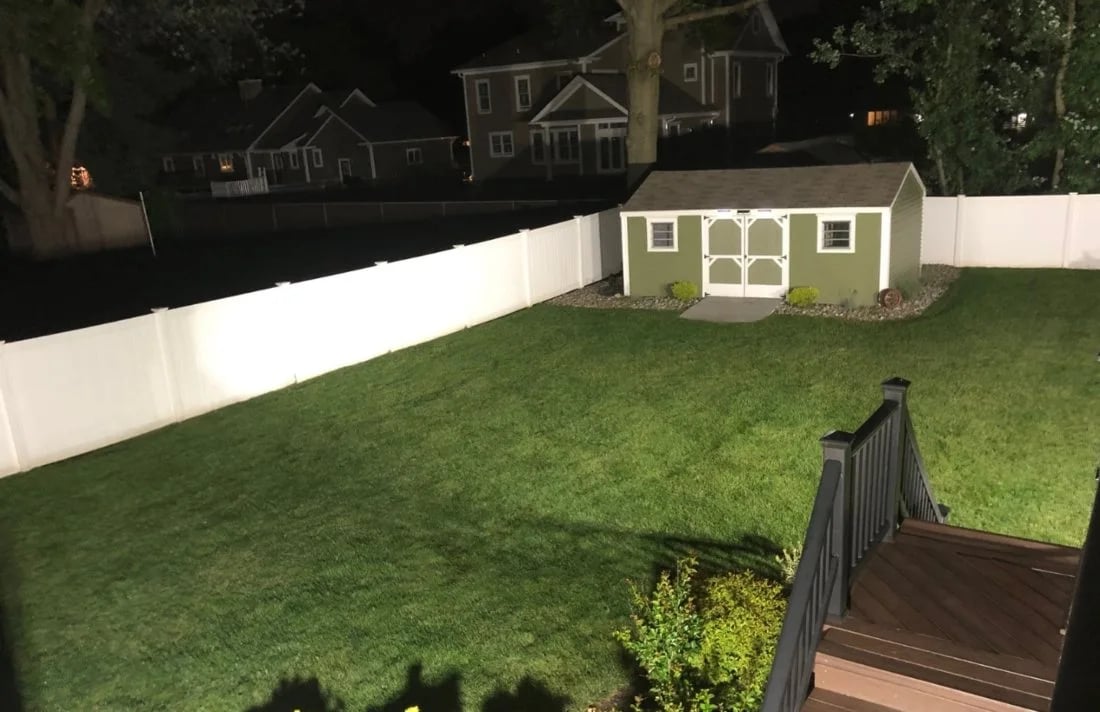
- Backyards: Motion sensor lights reduce light spill into neighboring properties while still providing coverage when needed.
- Driveways: Lights activate when vehicles or pedestrians approach, improving safety without wasting energy overnight.
- Side yards: These low-traffic areas benefit the most from motion-based lighting, balancing security and efficiency.
Commercial and Industrial Applications
- Parking lots: Motion sensors can supplement base lighting levels, increasing brightness only when activity is detected.
- Loading docks: Motion-activated flood lights improve visibility during deliveries without remaining on all night.
- Warehouses: Exterior sensors support security without adding unnecessary operational hours.
- Building perimeters: Led motion sensor flood lights are highly effective for perimeter security, highlighting movement while minimizing energy use.
Motion Sensor Flood Light Backyard - RuggedGrade
Environmental Impact and Sustainability
Reduced energy consumption and carbon footprint
Lower operating hours mean less electricity consumed and fewer emissions associated with power generation. Over the life of the fixture, this reduction is substantial.
Contribution to dark sky compliance
Motion-activated lighting helps reduce light pollution by limiting illumination to when it is actually needed. This supports dark sky initiatives and reduces glare.
Supporting sustainability goals
Many green building programs encourage lighting controls such as motion sensors. Using Motion Sensor LED Flood Lights aligns with sustainability targets without sacrificing performance.
Conclusion
Choosing between motion sensor and always-on LED flood lights comes down to usage patterns, security needs, and cost priorities. In areas with intermittent activity, led flood light with motion sensor technology delivers strong security benefits while dramatically cutting energy costs. Always-on lighting still has a place in high-traffic or safety-critical environments.
For most properties, a mixed approach offers the best balance. Strategic use of led flood lights with motion sensor reduces waste, lowers operating costs, and supports long-term efficiency goals while maintaining reliable outdoor illumination.
About the Author: About James Crowley on X.
About us: See our About us page for more about RuggedGrade
