

Motion Sensor LED Flood Lights vs. Always-On Lights: A Cost Comparison Guide
Posted by James Crowley on 1/29/2026 to
LED news
Choosing between motion sensor and always-on LED flood lights without understanding the true cost differences leads to wasted energy expenses, unnecessary upfront investments, and lighting solutions that don't match your actual security or operational needs. From overestimating the benefits of always-on fixtures that run 24/7 to underestimating motion sensor savings in low-traffic areas, common decision-making mistakes don't just inflate monthly utility bills—they result in poor ROI, excessive light pollution, and missed opportunities for energy rebates and incentives. Understanding how motion detection technology reduces runtime, how always-on fixtures perform in high-traffic applications, and how to calculate real-world energy consumption and payback periods ensures you select the most cost-effective lighting solution for your specific property and usage patterns. In this comprehensive cost comparison guide from RuggedGrade, we'll break down the true expenses of both options, analyzing upfront costs, energy consumption, maintenance requirements, lifespan considerations, and total cost of ownership to help you make an informed decision that maximizes security while minimizing long-term operating expenses.
(0) Comments
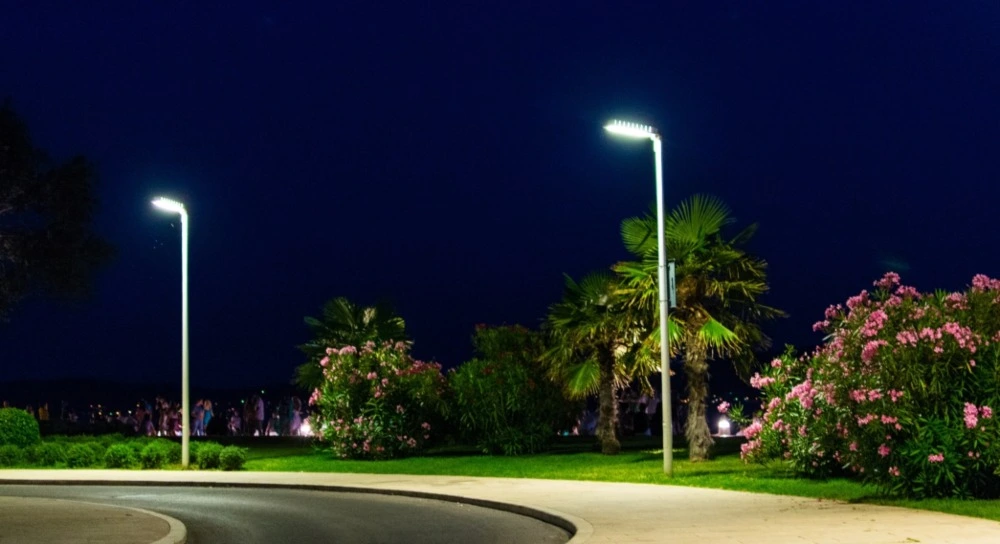
LED Street Light Specifications: Understanding Lumens, Wattage, and Coverage
Posted by James Crowley on 1/14/2026 to
LED news
Choosing LED street lights without understanding lumens, wattage, and coverage calculations leads to inadequate illumination, wasted energy costs, and installations that fail to meet municipal safety standards. From selecting insufficient lumen output that creates dangerous dark spots to oversizing wattage that inflates operating costs, common specification mistakes don't just compromise visibility—they result in non-compliant installations, increased liability risks, and expensive retrofits to correct poor planning. Understanding how lumens determine brightness levels, how wattage relates to pole height and spacing, and how to calculate proper coverage ensures you select street lights that deliver uniform, energy-efficient illumination while meeting IES standards and local requirements. In this comprehensive guide from RuggedGrade, we'll break down LED street light specifications, explaining lumen requirements for different road types, wattage selection criteria, coverage calculations, and spacing standards to help you design safe, compliant, and cost-effective street lighting systems.
