

Understanding the Kelvin Scale: From Warm to Cool White Light
Posted by James Crowley on 2/25/2026 to
News
Choosing LED lighting without understanding the Kelvin scale leads to spaces that feel uncomfortable, unproductive, or simply wrong—despite technically adequate brightness levels. From selecting warm 3000K lights for warehouses that need crisp visibility to installing harsh 6500K fixtures in restaurants seeking inviting ambiance, color temperature mistakes don't just affect aesthetics—they impact employee productivity, customer comfort, safety perception, and even sales performance in retail environments. Understanding what Kelvin numbers actually mean, how color temperature affects human perception and behavior, and which ranges work best for specific applications ensures you select lighting that enhances your space rather than undermines it. In this comprehensive guide from RuggedGrade, we'll break down the Kelvin scale from warm whites (2700K-3000K) through neutral tones (4000K) to cool whites (5000K-6500K), explaining the psychological and practical effects of each range and helping you choose the right color temperature for residential, commercial, industrial, and outdoor applications.
(0) Comments
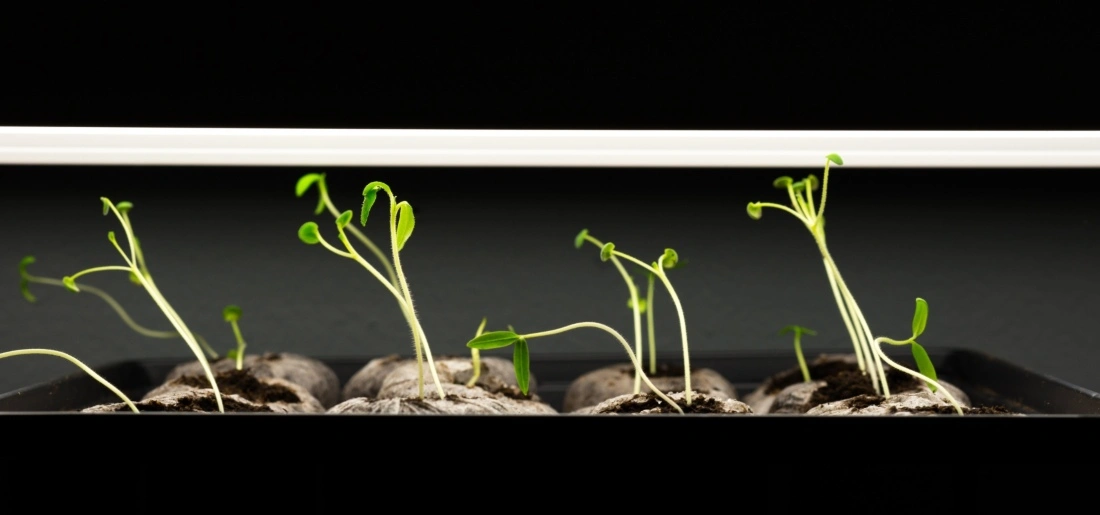
LED Grow Light Buying Guide: What to Look for Before You Buy
Posted by James Crowley on 2/17/2026 to
News
Purchasing LED grow lights without understanding critical specifications like PAR output, spectrum distribution, and coverage footprint leads to stunted plant growth, wasted investment, and cultivation results that fall far short of expectations. From choosing fixtures with impressive wattage numbers but inadequate photosynthetic efficiency to selecting the wrong spectrum for your growth stage or overlooking heat management issues, common buying mistakes don't just compromise yields—they result in energy waste, equipment failures, and the expensive necessity of replacing poorly chosen systems. Knowing how to evaluate actual photosynthetic output rather than marketing claims, understanding which wavelengths your plants actually need, and calculating proper light intensity and coverage for your growing space ensures you invest in LED grow lights that deliver measurable results and healthy returns. In this essential buying guide from RuggedGrade, we'll walk you through the key factors that separate effective grow lights from expensive disappointments, covering spectrum requirements, PAR and PPFD measurements, coverage calculations, build quality indicators, thermal management, and certification standards to help you select LED grow lights that optimize plant health, maximize yields, and provide reliable performance throughout your cultivation operation.
