
Posted by James Crowley on 2/17/2026 to
News
Growing healthy plants indoors starts with light. Not just any light, but the right one. LED grow lights have changed indoor growing by offering better efficiency, longer lifespan, and more control over plant development than older lighting technologies. Still, not all grow lights are created equal. Choosing the wrong fixture can lead to weak growth, poor yields, or wasted energy.
This guide breaks down what actually matters before buying an LED grow light, so indoor plants get the light they need without overcomplicating the decision.
Why Choosing the Right LED Grow Light Matters
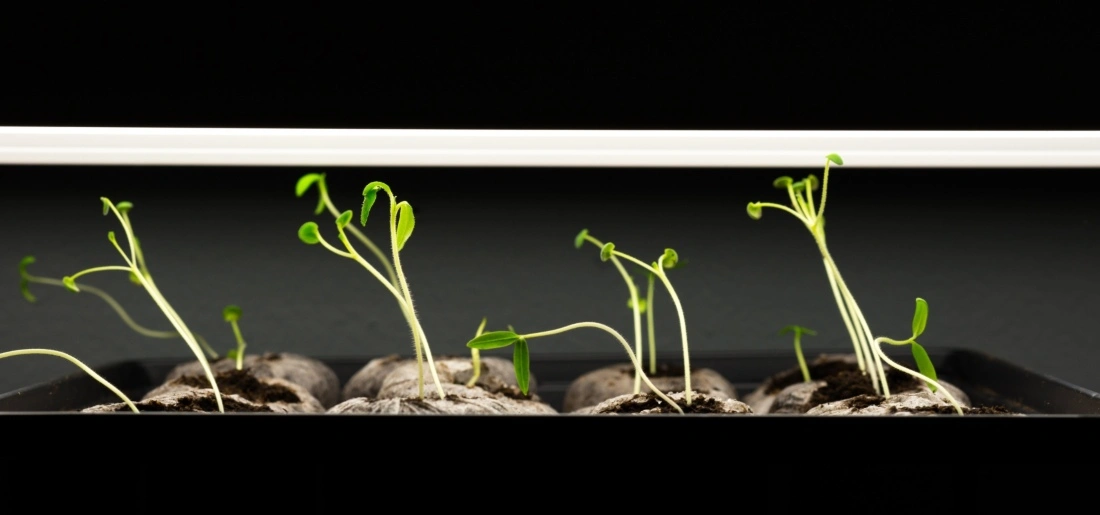
Plants rely on light as their main energy source. Too little light slows growth. Too much light causes stress. The wrong spectrum leads to tall, weak plants or poor flowering. Quality led grow lights for indoor plants support consistent growth cycles, stronger stems, healthier leaves, and better harvests.
Unlike traditional bulbs, LED grow lights are designed to target plant-specific wavelengths. That precision saves power and improves results, but only if the light matches the grow setup.
Understanding How LED Grow Lights Work
Basics of Plant Photosynthesis and Light
Photosynthesis happens when plants convert light into chemical energy. Chlorophyll absorbs specific wavelengths, mainly blue and red light. These wavelengths fuel different stages of growth, from leaf development to flowering.
Light intensity, duration, and spectrum all affect how efficiently plants photosynthesize.
Difference Between Grow Lights and Standard LED Lights
Standard LED bulbs are built for human vision. They focus on brightness and color appearance, not plant response. Led grow lights are engineered to deliver wavelengths plants actually use, often measured as PAR (Photosynthetically Active Radiation).
Using household LEDs may keep plants alive, but it rarely supports strong or predictable growth.
Why Spectrum Matters for Plant Growth
Spectrum determines how plants behave. A light heavy in blue encourages compact, leafy growth. Red-heavy light pushes flowering and fruiting. Balanced spectrums support full life cycles without constant fixture changes.
Choosing the Right Light Spectrum
Full-Spectrum vs Targeted Spectrum Grow Lights
- Full spectrum LED grow lights mimic natural sunlight across a wide range of wavelengths. They work well for growers who want one fixture from seedling to harvest.
- Targeted spectrum lights focus on specific wavelengths, usually blue or red. These are often used in commercial setups where different lights are assigned to different growth stages.
Blue Light for Vegetative Growth
- Blue light supports leaf development, stem strength, and compact plant structure. It keeps plants from stretching and encourages dense growth.
- Seedlings and leafy greens respond especially well to higher blue ratios.
Red Light for Flowering and Fruiting
- Red light drives bud formation, flowering, and fruit production. It signals plants to shift energy from leaves to reproduction.
- Most flowering plants need a strong red component during bloom stages.
UV and Far-Red Considerations
- Some advanced led grow lights include small amounts of UV or far-red light. UV can enhance color, flavor, and resin production in certain plants. Far-red influences flowering timing and canopy penetration.
- These wavelengths are useful but not required for most indoor growers.

Fixture Type and Mounting Style
Bar-Style vs Panel-Style Grow Lights
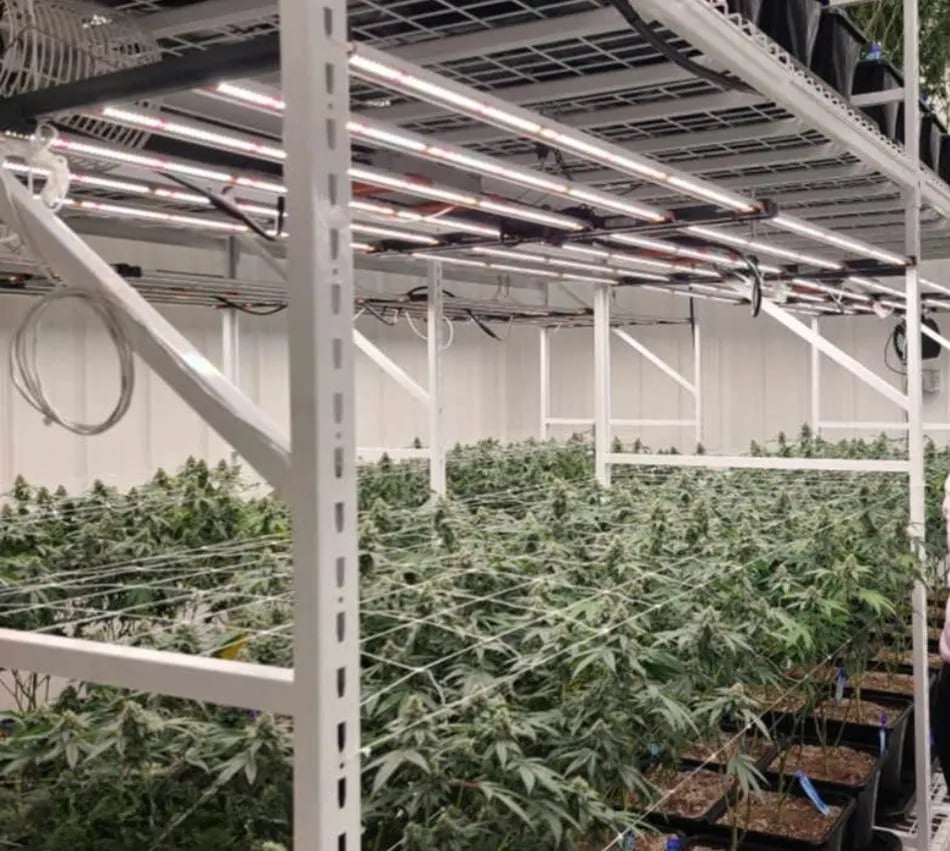
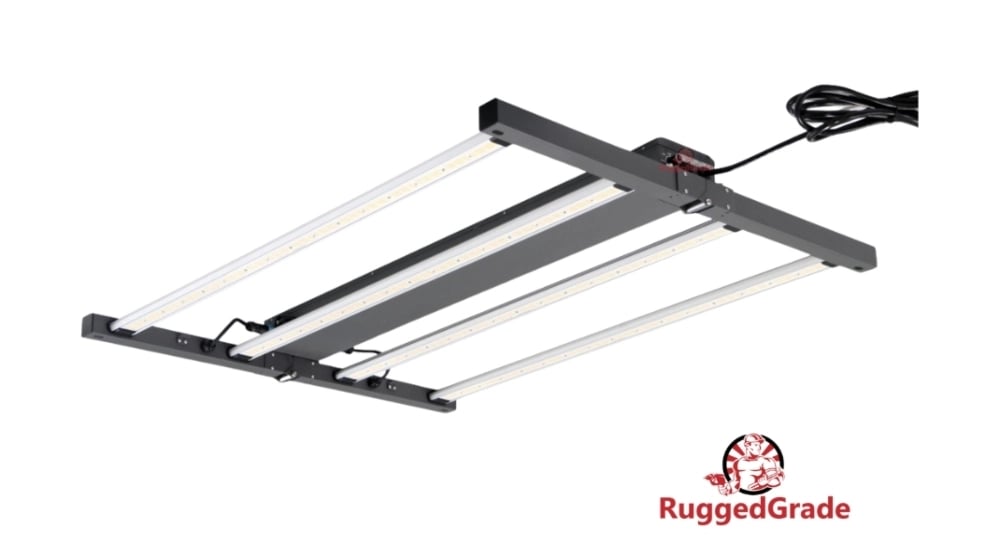
Bar-style fixtures spread light evenly across larger areas. They reduce hotspots and work well in grow tents and commercial racks.
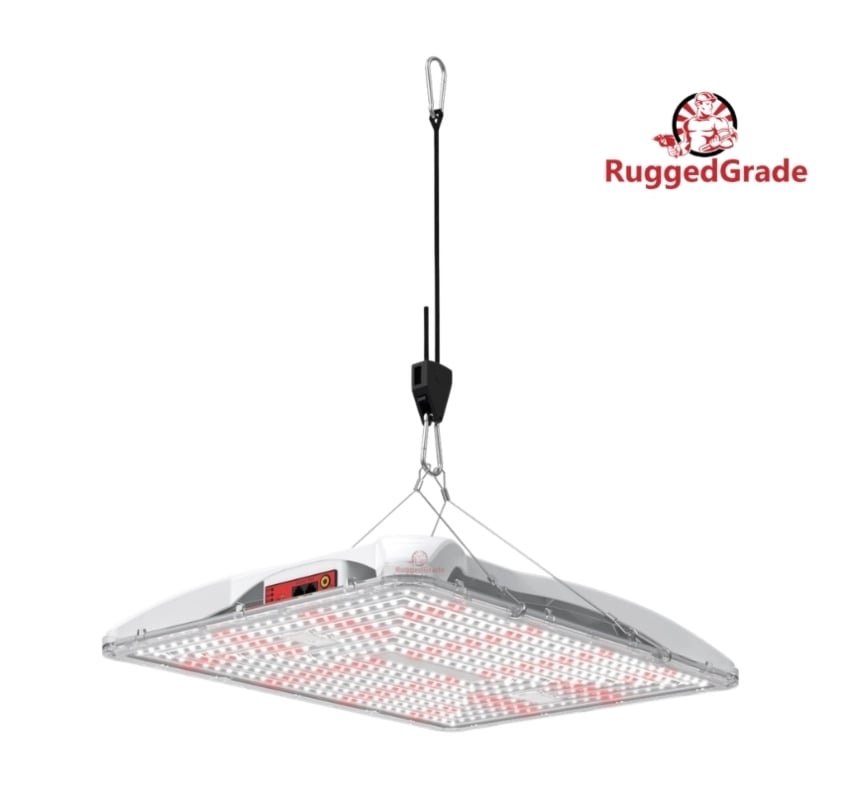
Panel-style lights are compact and powerful, often used in smaller setups. They concentrate light directly under the fixture, which can be helpful in tight spaces.
Vertical vs Overhead Mounting
Overhead mounting is the most common approach. Light shines down onto the canopy, mimicking sunlight.
Vertical mounting places lights along the sides of plants. This method improves lower canopy exposure and is sometimes used in dense grows.
Adjustability and Hanging Height
Adjustable mounting is critical. Plants need different light intensity at different stages. Seedlings require gentler light, while mature plants handle stronger output.
Look for fixtures with adjustable hang points or dimming options to fine-tune light levels.

Build Quality and Durability
Materials, Coatings, and IP Ratings
Grow environments are tough on equipment. Quality led grow lights use corrosion-resistant materials, sealed drivers, and protective coatings.
IP ratings indicate resistance to dust and moisture. Higher ratings mean better protection in humid or dusty grow rooms.
Moisture and Dust Resistance
Indoor grows often involve watering, misting, and high humidity. Lights should handle moisture without risking electrical failure.
Dust buildup reduces light output and shortens lifespan. Sealed designs help maintain performance over time.
Suitability for Greenhouse vs Indoor Grows
Greenhouses introduce temperature swings and condensation. Indoor grow rooms offer more control but still require durable fixtures.
Lights designed for indoor plant growth typically handle both environments, but it is worth confirming suitability.
Common Buying Mistakes to Avoid
Choosing Based on Wattage Alone
Wattage measures power draw, not plant-usable light. Two fixtures with the same wattage can produce very different results.
Focus on light output, efficiency, and coverage instead of raw watt numbers.
Ignoring Coverage Maps
Every led grow light has a coverage area. Ignoring it leads to uneven growth, dark corners, or wasted light.
Coverage maps show how light spreads across the canopy at different heights
Overlooking Efficiency Ratings
Efficiency measures how well a fixture converts electricity into usable plant light. Higher efficiency means lower energy costs and less heat.
Efficient fixtures provide better results over time, even if the upfront cost is higher.
Conclusion
Buying the right led grow lights for indoor plants is about matching light output, spectrum, and fixture design to the growing space. Understanding how plants respond to light makes it easier to choose equipment that supports steady growth, healthy plants, and consistent yields.
Whether growing herbs in a small room or managing a larger indoor setup, the right full spectrum led grow lights remove guesswork and improve results. A well-chosen led grow light is not just a tool, but a foundation for successful indoor growing.
About the Author: About James Crowley on X.
About us: See our About us page for more about RuggedGrade
