
Posted by James Crowley on 3/19/2026 to
News
Construction projects often take place in environments where natural light is limited or unavailable. Early morning starts, night work, and interior builds without permanent electrical systems all require dependable temporary construction lighting. Without it, visibility drops and safety risks increase.
Proper temporary lighting for construction allows crews to see clearly, move safely, and complete tasks accurately throughout every stage of a project.
Why Temporary Construction Lighting Matters
Lighting on a construction site affects safety, efficiency, and work quality. Installing the right temporary construction lights helps create a work environment where crews can operate confidently and avoid unnecessary delays.
Preventing Jobsite Accidents
Limited visibility increases the risk of slips, trips, and equipment errors. Construction sites often contain uneven surfaces, tools, debris, and exposed materials that can quickly become hazards in dim lighting.
Adequate temporary construction lighting helps reduce shadows and dark areas, allowing workers to spot potential dangers and navigate the jobsite safely.
Maintaining OSHA Compliance
Safety standards require construction sites to maintain proper illumination levels. OSHA guidelines specify minimum lighting requirements for different types of work areas.
Providing adequate temporary lighting for construction helps contractors maintain compliance while supporting safer working conditions for crews.
Supporting Productivity in Low-Light Conditions
Construction schedules do not always align with daylight hours. Many projects start before sunrise, continue into the evening, or take place inside buildings where natural light is unavailable.
Temporary lighting allows work to continue without interruptions caused by poor visibility. Consistent illumination helps crews stay focused and complete tasks efficiently.
Ensuring Work Quality
Many construction tasks require precision. Electrical wiring, plumbing installation, framing alignment, and finishing work all depend on clear visibility.
Poor lighting can lead to misalignment, measurement errors, or uneven finishes. Proper lighting allows workers to see details clearly and maintain high standards of workmanship.
Types of Temporary Construction Lighting
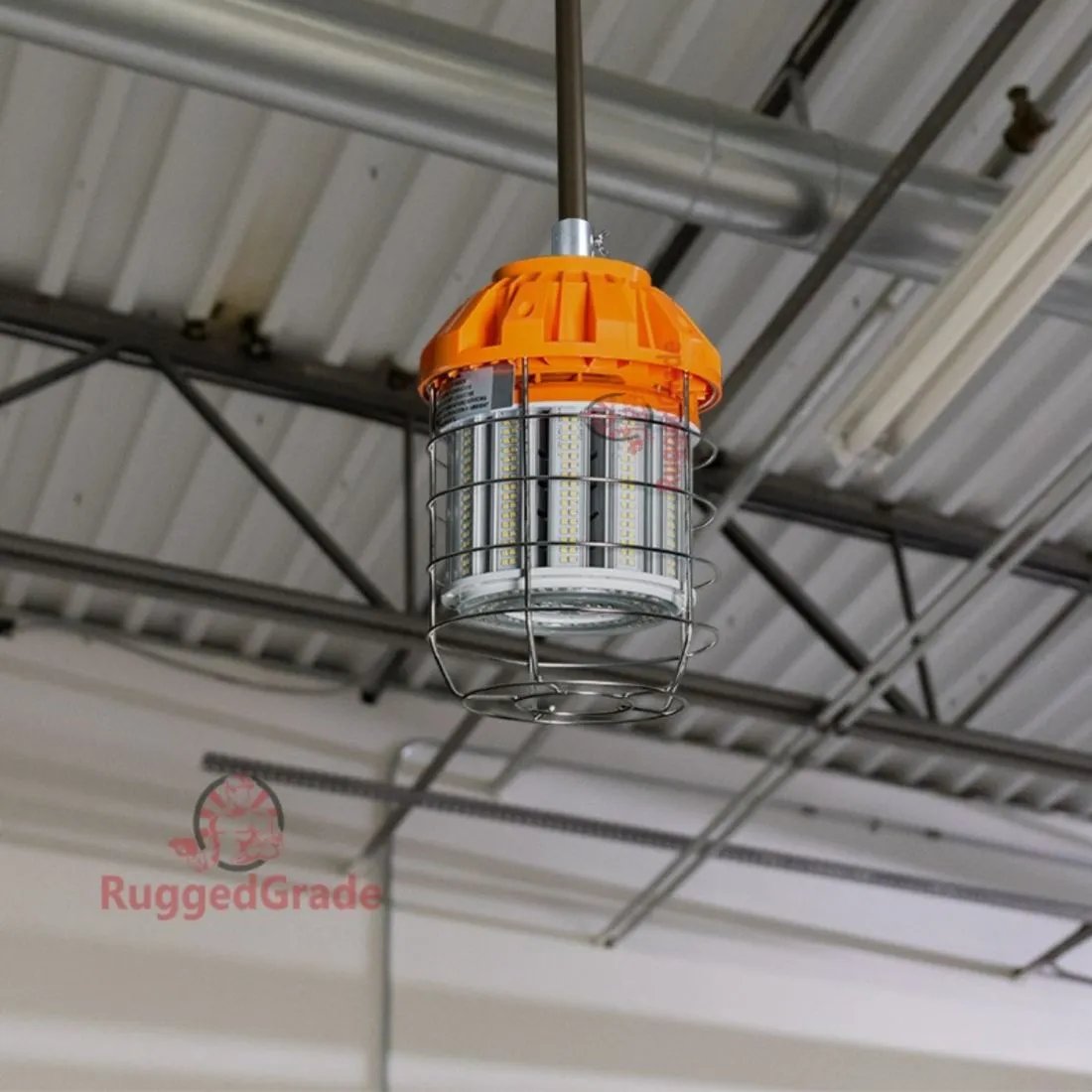
Different jobsites require different lighting solutions. The right type of temporary construction lights depends on the size of the space, ceiling height, and whether the work is taking place indoors or outdoors.
String Work Lights (Temporary Light Strings)
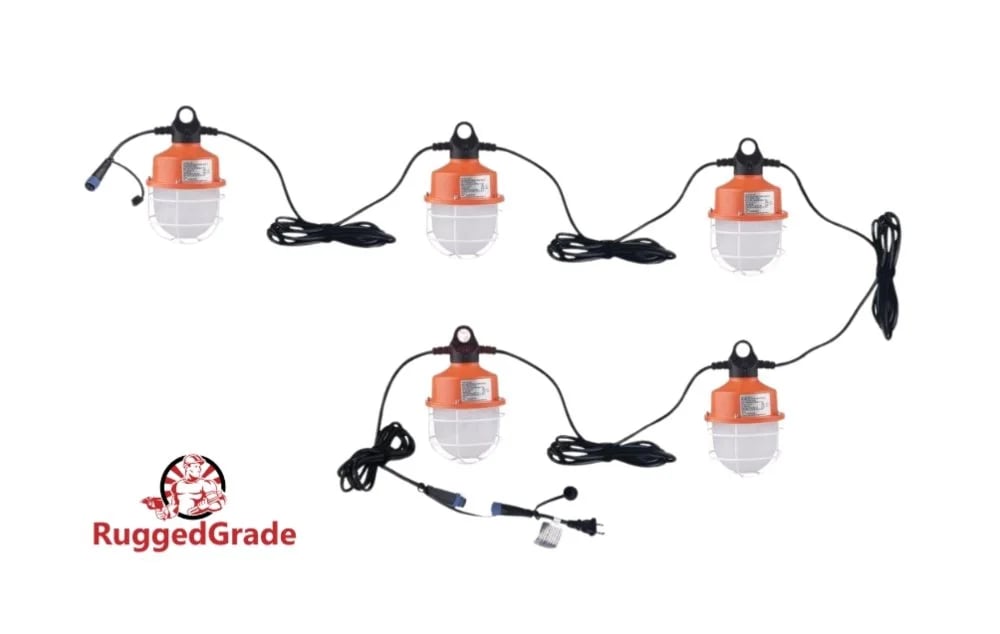
String work lights are one of the most common forms of temporary construction lighting used on interior jobsites. These systems consist of multiple light sockets connected along a durable cable.
They are especially useful for lighting large interior spaces such as hallways, open floor plans, and unfinished structures.
Key advantages include:
- Ideal coverage for large indoor areas
- Easy daisy-chain installation to expand lighting coverage
- Fast setup across ceilings, beams, or framing
Temporary light strings are frequently used in renovations, residential construction, and commercial building projects.
LED Work Lights
LED work lights provide portable illumination for specific tasks. These fixtures are typically mounted on stands or compact frames so they can be moved as work progresses.
They are commonly used for:
- Electrical and mechanical work
- Finish carpentry
- Inspection tasks
- Small work zones that require focused lighting
Their portability makes them a flexible option for changing jobsite conditions.
Temporary High Bay Lights
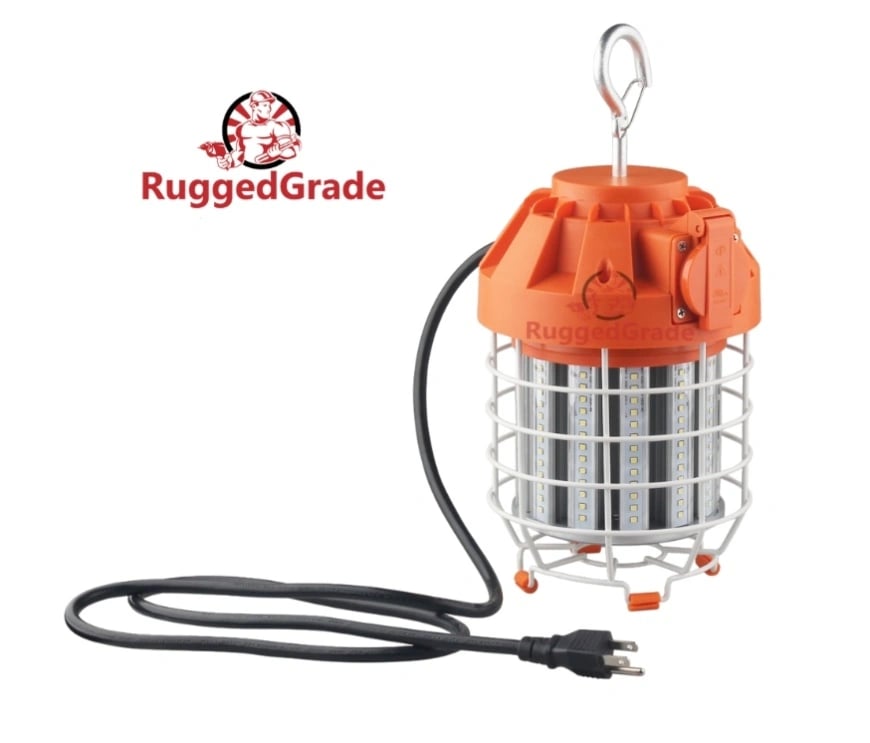
Large commercial and industrial projects often require stronger lighting systems. Temporary high bay fixtures are designed to illuminate spaces with tall ceilings and wide open layouts.
These lights produce high lumen output and broad beam angles that allow them to cover large floor areas from elevated mounting points.
Temporary high bays are commonly used in:
- Warehouse construction
- Manufacturing facilities
- Distribution centers
- Large commercial interiors
They provide strong overhead illumination that improves visibility across expansive work zones.
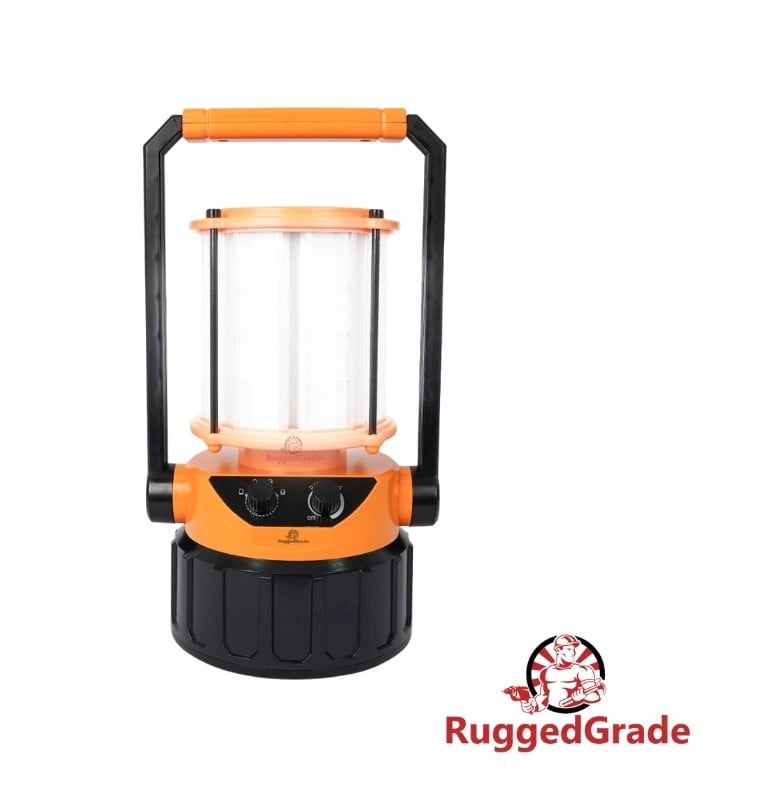
Tower Lights (Outdoor Construction Sites)
Outdoor construction projects often require lighting that covers large areas. Tower lights are widely used for infrastructure work and large outdoor jobsites.
These systems feature tall masts with powerful fixtures mounted at the top, allowing light to spread across wide sections of the site.
Common applications include:
- Road and highway construction
- Bridge projects
- Utility installation
- Large outdoor building sites
Many tower lighting systems operate with generator power, making them suitable for remote job locations.
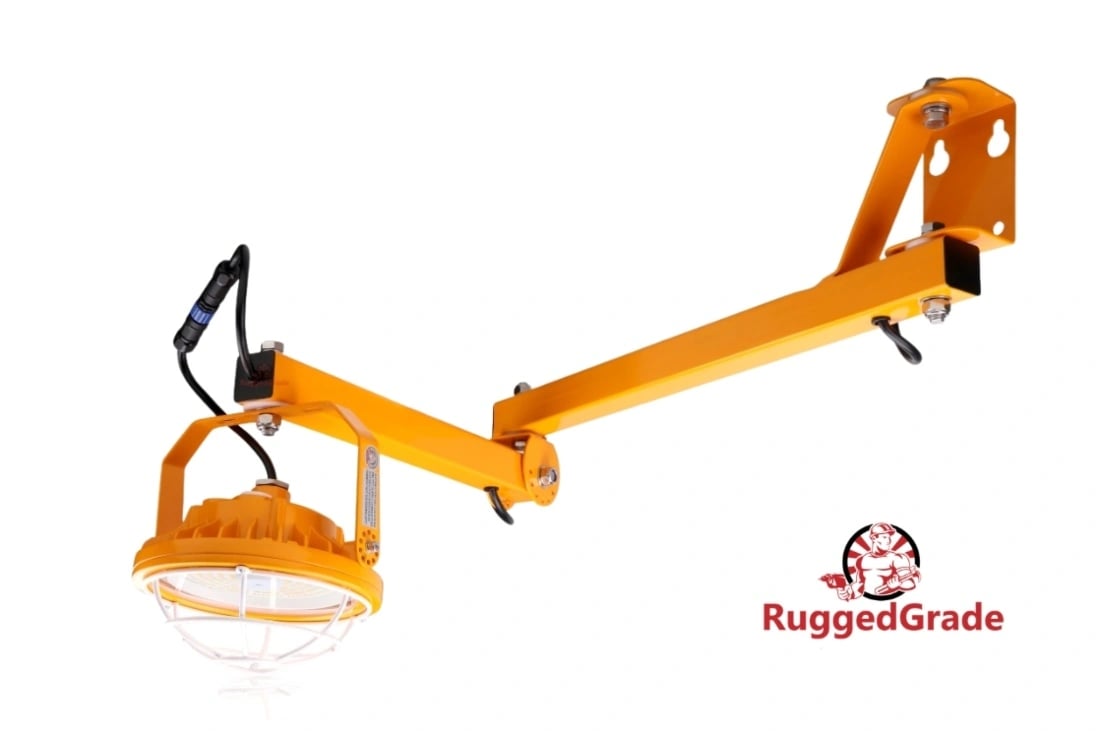
Key Features to Look For
Choosing the right temporary construction lighting involves more than selecting a bright fixture. Several features affect performance and durability on the jobsite.
Brightness (Lumens, Not Watts)
Modern lighting brightness is measured in lumens rather than watts. Lumens represent the actual amount of visible light produced.
Typical jobsite lighting ranges include:
- 3,000–5,000 lumens for small work zones
- 8,000–15,000 lumens for medium areas
- 20,000 lumens or more for high bay environments
Selecting the correct lumen output prevents poor visibility or excessive glare.
Durability and Impact Resistance
Construction sites expose equipment to dust, vibrations, and frequent movement. Lighting fixtures must be built to handle these conditions.
Important durability features include:
- Rugged housing materials
- Impact-resistant lenses
- Protective cages or guards
- High IP ratings for dust and moisture protection
These elements help lighting systems withstand demanding jobsite environments.
Weather Resistance
Outdoor construction lighting must operate safely in rain, humidity, and changing temperatures.
Wet-rated fixtures are designed for direct exposure to water, while damp-rated fixtures are intended for areas where moisture may be present but not directly contacting the light.
Choosing the proper rating ensures safe and reliable performance outdoors.
Power Options
Most temporary construction lights operate on standard 120V plug-in power. However, many jobsites rely on alternative power sources.
Lighting systems should be compatible with:
- Standard electrical outlets
- Portable generators
- Temporary power distribution boxes
Flexible power options allow lighting to be deployed throughout the jobsite without complicated installation.
Linkability and Spacing
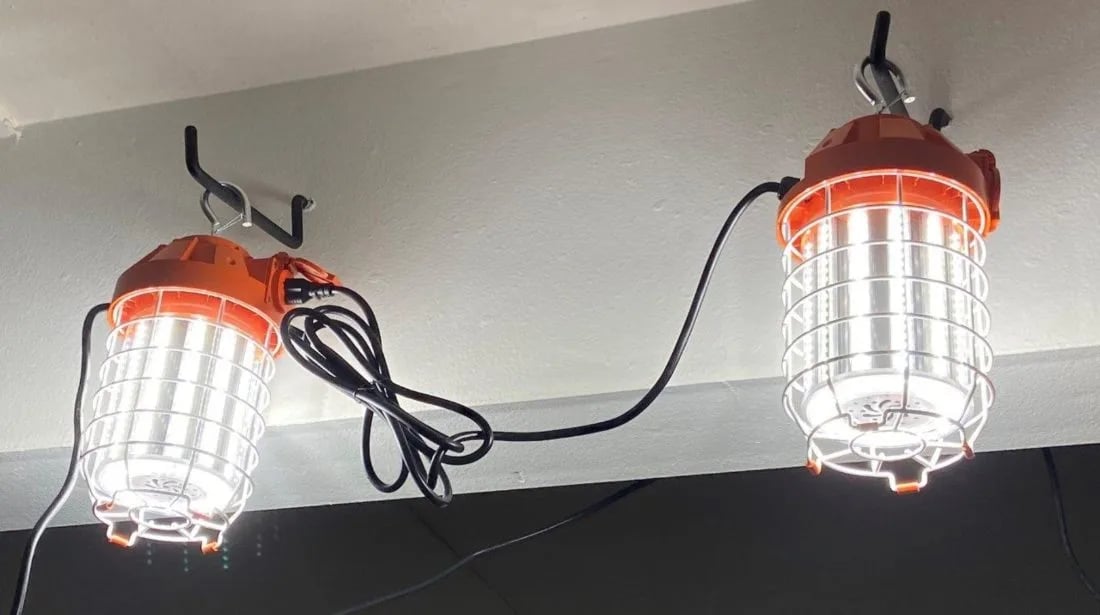
Many temporary lighting systems are designed to connect multiple fixtures together. Linkable lighting makes it easier to illuminate large areas using a single power source.
Important considerations include:
- Maximum number of fixtures allowed per run
- Proper spacing between lights for even illumination
Correct spacing helps eliminate dark spots and creates consistent visibility across the entire work area.
FAQs About LED Temporary Construction Lights
How bright should temporary construction lighting be?
Brightness for temporary construction lighting depends on the size of the workspace and the type of work being performed. In general, small work zones may only require around 3,000 to 5,000 lumens, while larger interior areas may need 8,000 to 15,000 lumens.
Large commercial or industrial spaces often require temporary high bay lights that produce 20,000 lumens or more. The goal is to provide enough light for workers to clearly see tools, surfaces, and potential hazards without creating glare or excessive shadows.
Are LED temporary lights safer than halogen?
In most construction environments, LED fixtures are considered a safer option than halogen lights. LED temporary construction lights operate at lower temperatures, which reduces the risk of burns or fire hazards on the jobsite.
LED lighting also offers additional advantages:
- Lower energy consumption
- Longer operating life
- Reduced maintenance
- Better durability for rough environments
Because of these benefits, many contractors now rely on LED systems for temporary lighting for construction rather than older halogen work lights.
How many temporary lights can I link together?
The number of fixtures that can be linked together depends on the lighting system and the electrical capacity of the circuit. Many temporary light strings are designed to allow multiple fixtures to connect in a single run.
Manufacturers typically provide guidelines for the maximum number of lights that can be connected safely. Exceeding that limit can overload circuits or cause voltage drop, which may reduce brightness and create electrical hazards.
Checking the manufacturer specifications before installation helps maintain safe operation.
What IP rating do I need for outdoor construction sites?
Outdoor construction sites often expose lighting equipment to rain, dust, and debris. For these environments, lighting fixtures should have an IP rating designed for outdoor conditions.
Many contractors look for fixtures with ratings such as:
- IP65 for strong protection against dust and water spray
- IP66 for protection against heavy water exposure
Higher IP ratings provide better protection and improve reliability for outdoor temporary construction lighting systems.
Common Mistakes to Avoid
Even high-quality temporary construction lights can perform poorly if they are installed incorrectly or selected without considering jobsite requirements. Avoiding a few common mistakes can help improve safety and lighting performance.
Choosing Wattage Instead of Lumen Output
A common mistake is selecting lights based only on wattage. Watts measure energy consumption, not brightness.
Modern lighting performance is measured in lumens. Comparing lumen output ensures the lighting system provides the visibility needed for the jobsite.
Ignoring IP Ratings
Construction environments often involve dust, moisture, and debris. Installing fixtures without proper environmental protection can lead to equipment failure.
Selecting lighting with appropriate IP ratings helps ensure the fixtures can withstand the conditions of the jobsite.
Overloading Circuits
Temporary lighting systems often operate from shared electrical circuits. Connecting too many fixtures to a single circuit can create electrical hazards or cause breakers to trip.
Always follow manufacturer recommendations for maximum fixture connections and verify circuit capacity before installation.
Using Residential-Grade Lighting on Commercial Jobsites
Residential lighting products are not designed to handle the conditions of an active construction site. They may lack the durability required to withstand dust, impacts, and frequent movement.
Commercial-grade temporary lighting for construction is built specifically for demanding environments and provides more reliable performance during the construction process.
Conclusion
Reliable lighting is one of the most important tools on a construction site. Proper temporary construction lighting helps workers see clearly, reduces safety risks, and supports consistent work quality throughout every stage of a project.
By selecting the right type of temporary construction lights, choosing fixtures with appropriate brightness and durability, and avoiding common installation mistakes, contractors can create a safer and more productive jobsite.
Well-planned temporary lighting for construction allows crews to work confidently in early mornings, nighttime conditions, or unfinished interiors while maintaining the standards required for professional construction work.
About the Author: About James Crowley on X.
About us: See our About us page for more about RuggedGrade
