
Posted by James Crowley on 12/11/2025 to
LED news
Ceiling lights play a central role in how a room looks, feels, and functions. They provide the main layer of illumination in most spaces and often set the tone for the entire design. A well-chosen ceiling light can make a room feel open and welcoming, while poor lighting can leave even a well-designed space feeling flat or uncomfortable. Beyond appearance, ceiling lights are responsible for visibility, safety, and how people interact with the space throughout the day.
Modern ceiling lights are expected to do more than simply turn on and off. Homeowners and facility managers now look for fixtures that balance light output, energy use, and long-term reliability. This is where LED ceiling lights have become the standard. They offer consistent brightness, long service life, and lower power consumption than older lighting technologies. Whether it is a decorative led ceiling light fixture in a living room or a practical led ceiling light in a workspace, today’s options allow lighting to support both style and performance.
LED ceiling lights have become the standard. They offer consistent brightness, long service life, and lower
power consumption than older lighting technologies.
Types of Ceiling Lights
Not all ceiling lights are built for the same job. The shape, mounting style, and light distribution of each fixture determine where it works best. Below are the most common types used in both residential and commercial settings.
Flush Mount Ceiling Lights
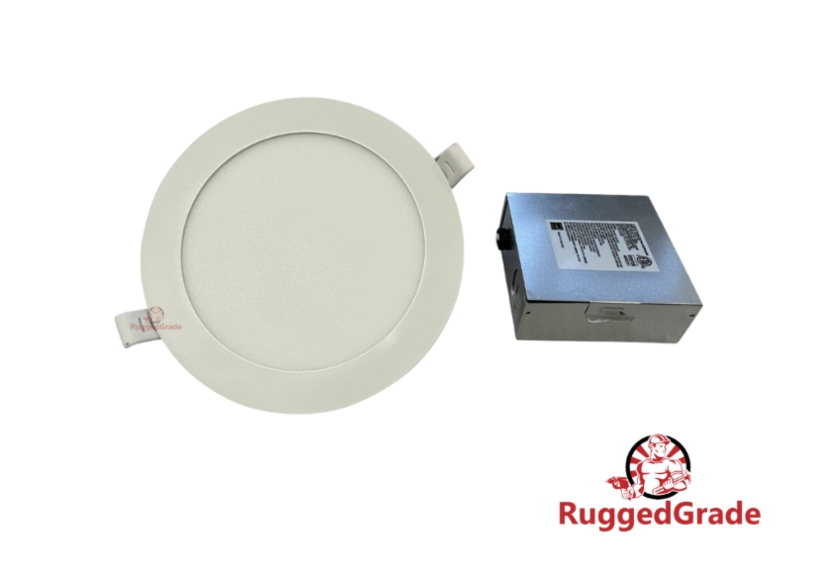
Flush mount ceiling lights sit directly against the ceiling with little to no gap between the fixture and the surface. This design makes them ideal for rooms with low ceilings where hanging fixtures would feel crowded or interfere with movement. They are widely used in hallways, bedrooms, closets, stairwells, and smaller living spaces.
Flush mount ceiling lights provide broad, even illumination without drawing too much attention to the fixture itself. When paired with LED technology, these fixtures offer bright output with minimal power use and long operating life. Many modern led ceiling lights in this category now include diffusers that reduce glare and create softer, more uniform light across the room.
Pendant Lights
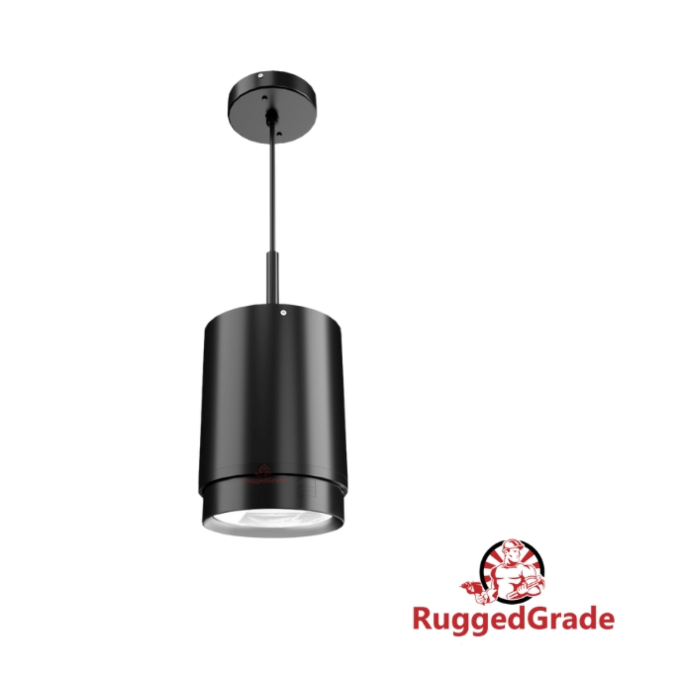
Pendant lights suspend from the ceiling by a rod, chain, or cord and are designed to be both functional and decorative. They are most often used over kitchen islands, dining tables, bars, and entryways where focused light is needed along with visual impact.
Unlike flush mounts, pendant fixtures become part of the room’s design. A single pendant can serve as a focal point, while multiple pendants arranged in a row can define a space and guide movement. When built as led ceiling light fixtures, pendants deliver crisp task lighting for food prep, dining, or workspace use while keeping energy use under control.
Recessed Lights
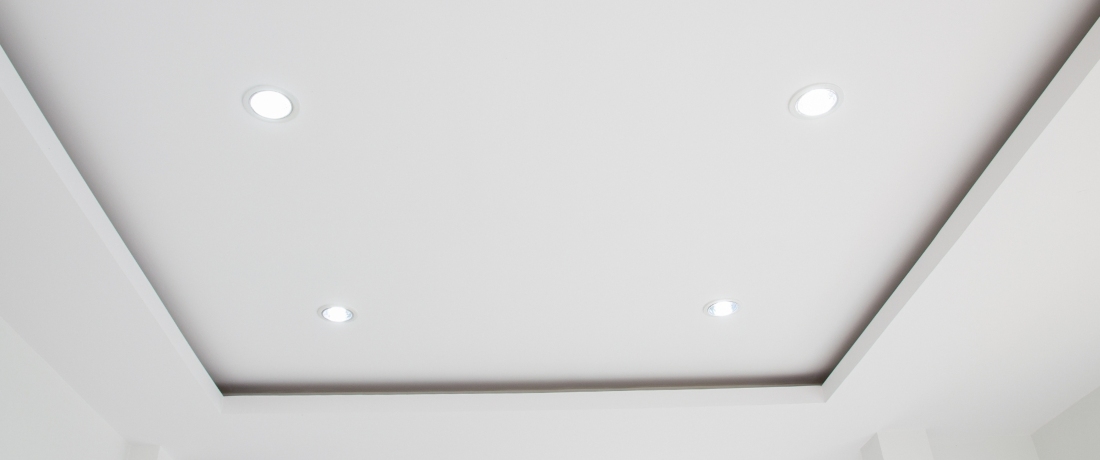
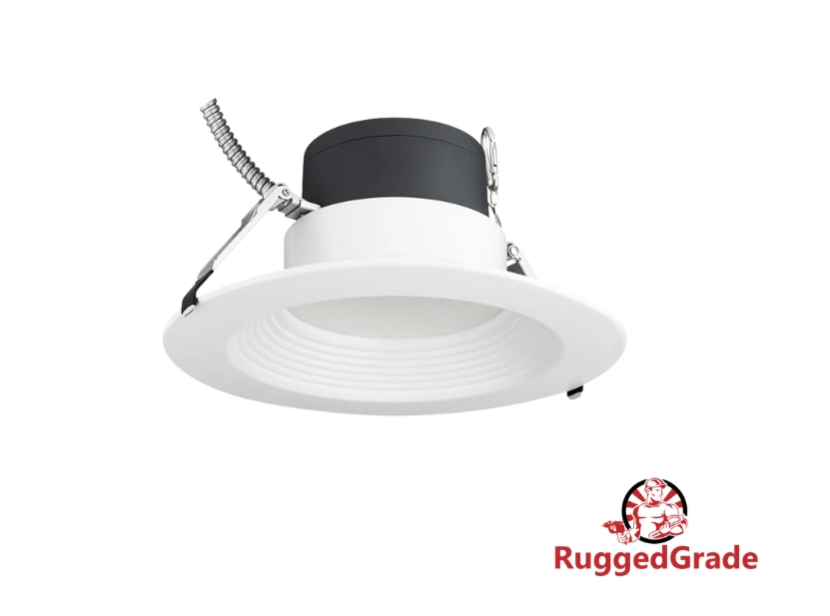
Recessed lights are installed inside the ceiling cavity, leaving only the trim visible from below. This creates a clean, uncluttered appearance that works well in modern homes, offices, kitchens, and retail spaces. Because the fixture itself is hidden, recessed lighting emphasizes the room rather than the hardware.
These lights are commonly used for both task lighting and general illumination. Recessed led ceiling lights are especially popular because they offer consistent brightness without the heat output associated with older recessed systems. They are often spaced evenly across ceilings to eliminate dark areas and shadows.
Canopy Lights
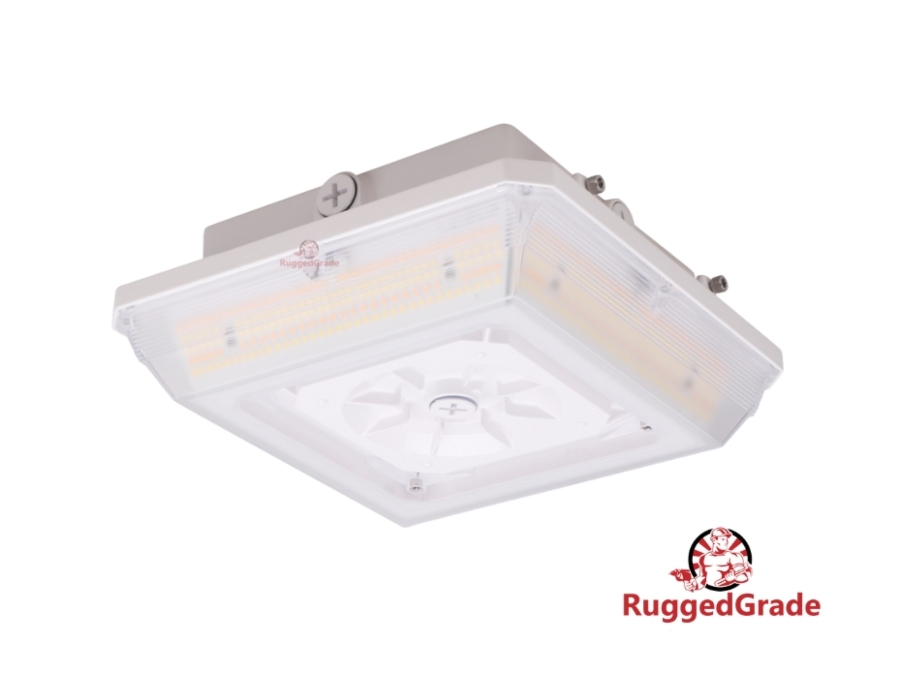
Canopy lights are surface-mounted fixtures traditionally used in exterior and semi-exterior environments such as gas station canopies, parking garages, covered walkways, and building overhangs. They are built with wide beam spreads and durable housings to handle constant operation and exposure to dust, moisture, and temperature changes.
In recent years, LED canopy fixtures have also been adopted in industrial interiors where high output and ceiling-mounted lighting are needed without suspension hardware. As led ceiling light fixtures, they provide strong downward illumination for large open areas while keeping maintenance intervals low.
LED Panel and Troffer Lights
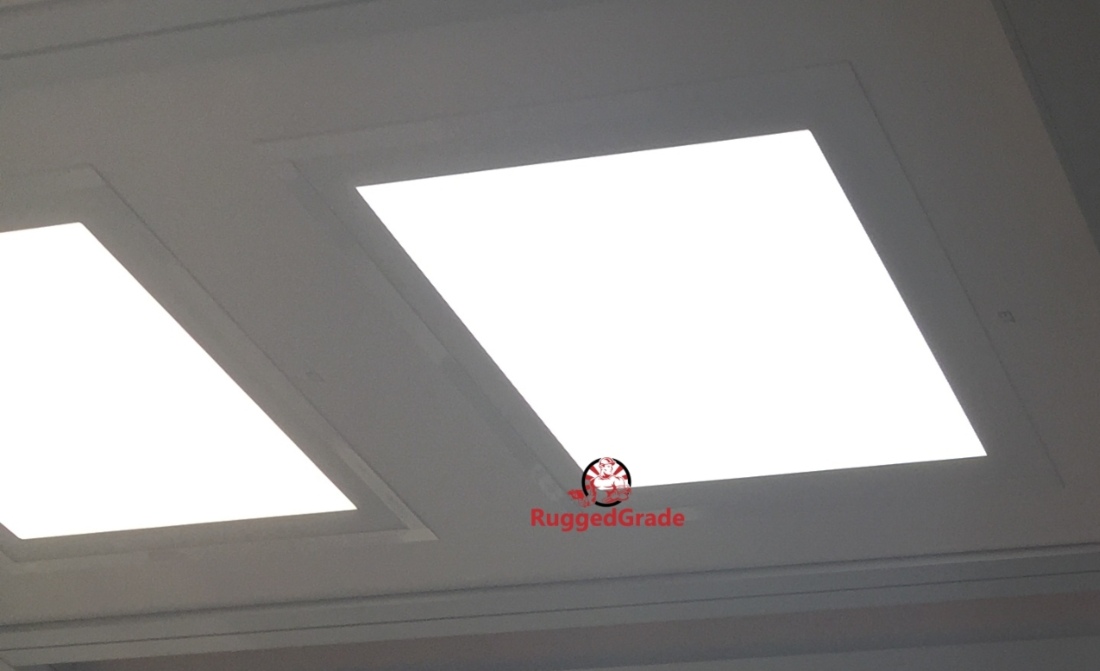
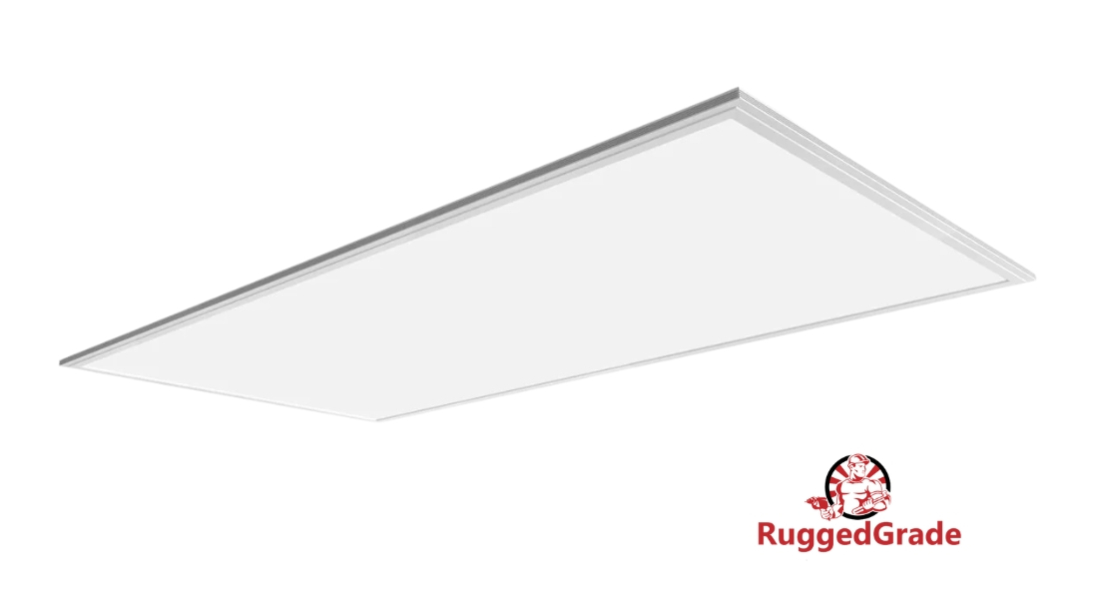
LED panel and troffer lights are most commonly found in offices, schools, hospitals, and commercial facilities. These fixtures are designed to fit into standard suspended ceiling grids and provide wide, even light distribution across large rooms.
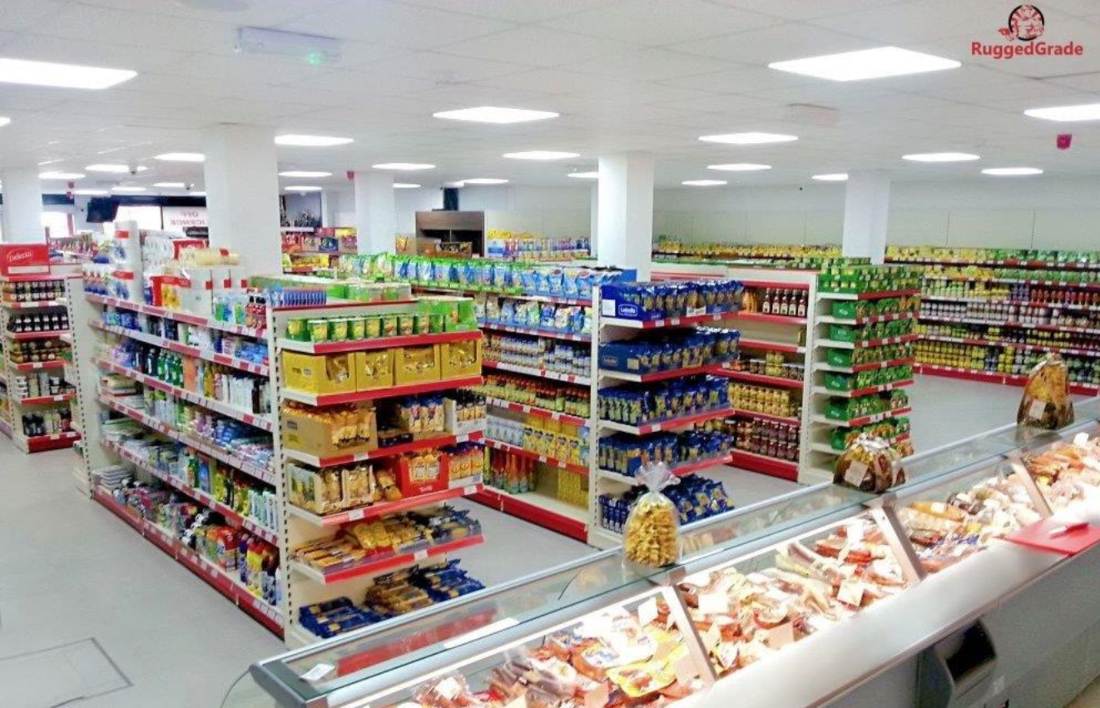
Panels and troffers replaced fluorescent lighting in many buildings due to their improved energy performance, stable light quality, and reduced flicker. As commercial ceiling lights, they support long operating hours and consistent visibility for workspaces where eye comfort and uniform brightness matter.
Indoor vs. Outdoor Use
Not every ceiling light is built for every environment. One of the most common mistakes in lighting design is installing an indoor-rated fixture in an outdoor or semi-exposed location. This leads to early failure, safety issues, and costly replacements. Understanding fixture ratings and material construction is key to choosing the right led ceiling light for the space.
Ratings and Certifications to Check for Outdoor Fixtures
Outdoor and semi-outdoor ceiling lights must be able to handle moisture, humidity, temperature changes, and airborne debris. Two critical ratings help define where a fixture can safely operate:
- Damp Location Rating: Rated for areas with moisture in the air but no direct water contact. Common locations include covered porches, bathrooms, laundry rooms, and garages.
- Wet Location Rating: Approved for direct exposure to rain, splashing water, and snow. These fixtures are suitable for uncovered patios, exterior walkways, and building overhangs.
In addition to location ratings, IP ratings provide a more detailed measure of protection against water and dust:
- IP65 and higher are commonly used for outdoor ceiling lights exposed to rain and debris.
- The first digit indicates dust protection, while the second digit shows water resistance.
Corrosion-Resistant Materials for Porches, Patios, and Garages
Outdoor led ceiling light fixtures should be built from materials that resist rust and surface breakdown. Powder-coated aluminum, stainless steel hardware, and sealed polycarbonate lenses help protect internal electronics from long-term exposure. Coastal areas, in particular, require extra attention due to salt in the air. Without corrosion-resistant construction, even high-quality led ceiling lights can lose performance years before their rated service life.
Understanding fixture ratings and material construction is key to choosing the right led ceiling
light for the space.
Light Output: Lumens Matter More Than Watts
For decades, people judged brightness by wattage. That no longer applies with LED lighting. Watts measure energy use, not brightness. Lumens measure how much visible light a fixture actually produces. When selecting a led ceiling light, lumen output is the number that matters most.
How Lumen Output Determines Brightness
A higher lumen rating means a brighter fixture. Two ceiling lights may both use 20 watts of power, but their brightness can differ widely depending on efficiency and optical design. LED systems convert a larger portion of energy into usable light, which is why a low-wattage LED can replace much higher wattage legacy bulbs.
Suggested Lumen Levels by Room Type
General lumen targets help guide fixture selection, but ceiling height, wall color, and room size also affect final results.
- Bedrooms: 1,000 to 2,000 lumens total for soft, comfortable lighting
- Living Rooms: 1,500 to 3,000 lumens depending on room size
- Kitchens: 3,000 to 4,500 lumens for clear surface visibility
- Bathrooms: 2,000 to 4,000 lumens for grooming and safety
- Home Offices: 3,000 to 5,000 lumens for consistent working light
A single led ceiling light may cover smaller spaces, while larger rooms often use multiple fixtures or layered lighting.
Efficiency Comparison: LED vs. Incandescent and Fluorescent
LED lighting produces far more light per watt than older technologies. A traditional 60-watt incandescent bulb produces about 800 lumens. An LED producing the same brightness typically uses around 9 to 12 watts. Fluorescent fixtures fall in between but still cannot match the stability, service life, or energy savings of modern led ceiling lights. This efficiency directly lowers operating costs while maintaining better light quality.
Color Temperature and Light Quality
Brightness alone does not define good lighting. The color of light plays a major role in how a room feels and how easily tasks can be completed. Color temperature is measured in Kelvin (K) and describes whether light appears warm or cool.
Kelvin Scale Breakdown
- Warm (2700K to 3000K): Soft white with yellow tones. Common in bedrooms, living rooms, and hospitality spaces.
- Neutral (3500K to 4000K): Balanced white. Often used in kitchens, offices, and bathrooms.
- Cool (5000K and above): Crisp white with blue tones. Typical in garages, workshops, and commercial spaces.
Choosing the right color temperature for a led ceiling light fixture affects both visual comfort and how surfaces appear within the room.
Choosing Color Temperature for Ambiance vs. Task Lighting
Warm lighting creates a relaxed, comfortable atmosphere and works well in areas meant for rest and social time. Neutral tones suit mixed-use rooms where clarity and comfort must coexist. Cooler temperatures improve visual sharpness and help reduce eye strain during detailed tasks. Matching color temperature to purpose is just as important as selecting the right lumen level.
Importance of CRI for Accurate Color Rendering
Color Rendering Index (CRI) measures how accurately a light source shows true colors compared to natural sunlight. CRI is scored on a scale from 0 to 100. High-quality led ceiling lights typically carry CRI values of 80 or above, while premium fixtures reach 90 or higher.
High CRI matters most in:
- Kitchens where food appearance affects preparation
- Retail spaces where product color impacts buying decisions
- Workspaces where accurate visual detail is required
Poor CRI can make colors appear dull, distorted, or flat, even when brightness levels are high.
Ceiling Height and Fixture Size
Ceiling height plays a major role in choosing the right led ceiling light fixture. A fixture that looks perfect in one space can feel out of place in another if the proportions are off. Size, mounting height, and spacing all affect how light is distributed and how safe the installation is for daily use.
Proportion Rules for Diameter and Drop Height
A simple guideline for selecting fixture diameter is to add the room’s length and width in feet, then convert that number to inches. For example, a 3 m by 3.5 m room totals roughly 6.5 meters or about 21 feet. A fixture around 50–55 cm in diameter would work well in that space.
Drop height matters most for pendant and suspended ceiling lights. In rooms with standard 2.4 m ceilings, fixtures should remain close to the ceiling unless installed over a surface like a table or countertop. For higher ceilings, longer drops can be used to bring the light source closer to the task area and prevent shadows.
Spacing Guidelines for Multiple Fixtures
When using more than one led ceiling light, spacing determines how evenly the room is lit. Fixtures placed too far apart create dark zones. Fixtures placed too close together waste light and cause visual clutter.
General spacing guidelines include:
- Recessed lights: Space at half the ceiling height. A 2.4 m ceiling equals about 1.2 m spacing.
- Pendant rows: Typically spaced 75 to 100 cm apart over islands and counters.
- Commercial panels: Aligned to match ceiling grid layout for uniform coverage.
- Correct spacing improves both light balance and visual flow across the room.
Preventing Glare and Low-Hanging Hazards
Glare occurs when a fixture is too bright for its mounting height or lacks proper diffusion. This is common with high-output led ceiling lights installed too low. Diffusers, frosted lenses, and proper beam angles reduce visual strain and improve comfort.
Low-hanging hazards are another concern, especially in walkways, stairwells, and garages. Any suspended ceiling light should remain well above head height to prevent accidental contact. In high-traffic areas, flush mount or surface-mounted fixtures are usually the safer choice.
Conclusion and Call to Action
Choosing the right ceiling light is about more than style alone. It requires balancing brightness, fixture type, environmental ratings, light color, ceiling height, and long-term durability. From compact flush mounts to large commercial panels, each category of ceiling lights serves a distinct purpose. Understanding lumen output, color temperature, and material construction helps avoid costly errors and early fixture failure.
Modern led ceiling lights now offer better energy performance, longer service life, and more consistent light quality than legacy technologies. Whether selecting a decorative led ceiling light fixture for a living space or a high-output led ceiling light for industrial use, informed choices lead to better results, lower operating costs, and fewer maintenance issues over time.
For those ready to upgrade or install new ceiling lights, Rugged Grade offers a full range of high-performance LED solutions built for real-world environments. Browse available product options or reach out for expert guidance to match the right fixture to each application with confidence.
About the Author: About James Crowley on X.
About us: See our About us page for more about RuggedGrade
