
Posted by James Crowley on 12/31/2025 to
News
Facilities that handle flammable gases, vapors, dust, or fibers operate under risks that standard lighting was never designed to manage. A single internal spark, overheated component, or electrical arc inside a conventional fixture can ignite the surrounding atmosphere.
In hazardous environments, lighting is not just about visibility. It is a safety system. Using non-rated fixtures in explosive atmospheres increases the chance of fire, equipment damage, downtime, regulatory violations, and serious injury.
Explosion proof lighting exists to remove that risk. These fixtures are engineered to operate safely where volatile materials are present, preventing internal ignition sources from triggering an external explosion. Choosing the right explosion proof light is not optional in these environments. It is a requirement for safe operation and code compliance.
What Are Explosion Proof Lights?
Explosion proof lights are sealed, heavy-duty lighting fixtures designed to contain sparks, arcs, or heat generated inside the fixture. If an ignition occurs internally, the housing prevents it from igniting the surrounding hazardous atmosphere. Explosion proof lighting is commonly used in oil and gas facilities, chemical plants, grain handling operations, manufacturing sites, wastewater treatment plants, and other high-risk locations.
The defining feature of an explosion proof fixture is its enclosure. The housing is built with thick walls, threaded joints, and precision seals that withstand internal pressure and cool escaping gases before they reach the outside air. This design prevents flame propagation beyond the fixture itself.
- Explosion proof lighting is often confused with other sealed fixtures, but they are not interchangeable.
- Explosion proof lights are designed to contain an internal explosion and prevent ignition of the surrounding area.
- Vapor proof lights keep moisture, dust, and vapors out but do not contain explosions.
- Intrinsically safe lighting limits electrical energy so ignition cannot occur, but is typically used for low-power applications.
Using the wrong type of fixture in a hazardous area creates a false sense of safety. Only certified explosion proof LED lights are approved for environments where explosive materials are present.
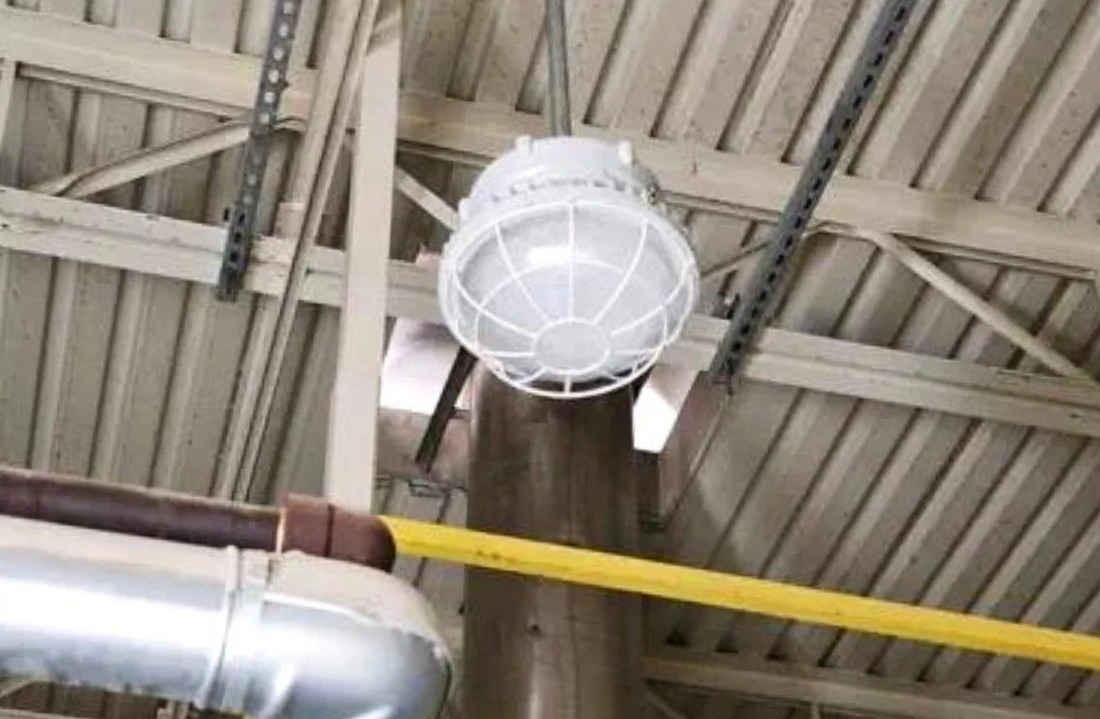
Step 1: Identify Your Hazardous Location Classification
Before selecting explosion proof lights, the first step is understanding how the space is classified. Hazardous location ratings define the type of material present and the likelihood of ignition.
Understanding Class, Division, and Group Ratings
- Class I – Gases and Vapors: Locations where flammable gases or vapors may be present in sufficient quantities to produce explosive mixtures. Common examples include refineries, fuel storage areas, and chemical processing facilities.
- Class II – Combustible Dust: Areas where combustible dust is present, such as grain elevators, flour mills, coal handling plants, and metal processing facilities.
- Class III – Fibers and Flyings: Locations with easily ignitable fibers or flyings, including textile mills and woodworking facilities.
Each class is further divided based on how often hazardous materials are present.
Division vs. Zone Systems
Division System
- Division 1: Hazardous materials are present during normal operation or frequently.
- Division 2: Hazardous materials are present only under abnormal conditions, such as equipment failure or leaks.
Zone System
Used more commonly outside North America and increasingly referenced in global facilities.
- Zone 0: Explosive atmosphere is present continuously or for long periods.
- Zone 1: Explosive atmosphere is likely during normal operation.
- Zone 2: Explosive atmosphere is unlikely and occurs only for short durations.
Explosion proof lighting must be certified for the specific division or zone where it will be installed.
Common Hazardous Groups
Hazardous locations are also assigned group ratings based on the material’s ignition characteristics.
- Gases and Vapors: Hydrogen, propane, gasoline vapors, acetylene
- Combustible Dust: Grain dust, coal dust, aluminum dust, magnesium dust
Different materials ignite at different temperatures and pressures. Explosion proof LED lights must match the correct group rating to operate safely in that environment.
Correct classification is the foundation of every explosion proof lighting decision. Selecting fixtures without confirming class, division or zone, and group ratings exposes facilities to serious safety and compliance risks.
Step 2: Determine Your Facility’s Environmental Conditions
Once the hazardous classification is confirmed, the next step is evaluating the physical environment where explosion proof lighting will operate. Environmental factors directly affect fixture lifespan, safety performance, and maintenance needs.
Ambient temperature range
Explosion proof lights are rated for specific operating temperatures. Facilities with extreme heat, cold storage, or rapid temperature swings must select fixtures designed to handle those conditions without degrading seals or internal components. Explosion proof LED lights perform well across wide temperature ranges, but ratings still matter.
Moisture, corrosion, and washdown exposure
Many hazardous locations also deal with water, chemicals, oils, or salt air. Corrosive environments require fixtures with corrosion-resistant housings, protective coatings, and sealed wiring entries. Washdown areas demand higher ingress protection ratings to prevent water intrusion during cleaning.
Indoor vs. outdoor installation
Outdoor explosion proof lighting must handle rain, snow, UV exposure, and wind-driven debris. Indoor installations may face chemical vapors or dust accumulation instead. The mounting location determines housing materials, gasket quality, and enclosure ratings.
Vibration and impact exposure
Facilities with heavy machinery, compressors, conveyors, or mobile equipment generate constant vibration. Explosion proof light fixtures in these areas must withstand shock and vibration without loosening joints or compromising seals. Impact-resistant housings help prevent failures caused by accidental contact or equipment movement.
Ignoring environmental conditions leads to premature fixture failure, even if the explosion proof rating is correct.
Step 3: Choose the Right Explosion Proof Light Type
Explosion proof lighting is not one-size-fits-all. Different areas of a facility require different fixture styles based on ceiling height, coverage needs, and operational use.
High Bay Explosion Proof Lights
High bay explosion proof lights are designed for large facilities with high ceilings, typically 6 m and above. These fixtures provide wide, uniform illumination for warehouses, processing plants, and industrial production floors. High-output explosion proof LED lights reduce fixture count while maintaining visibility and safety.

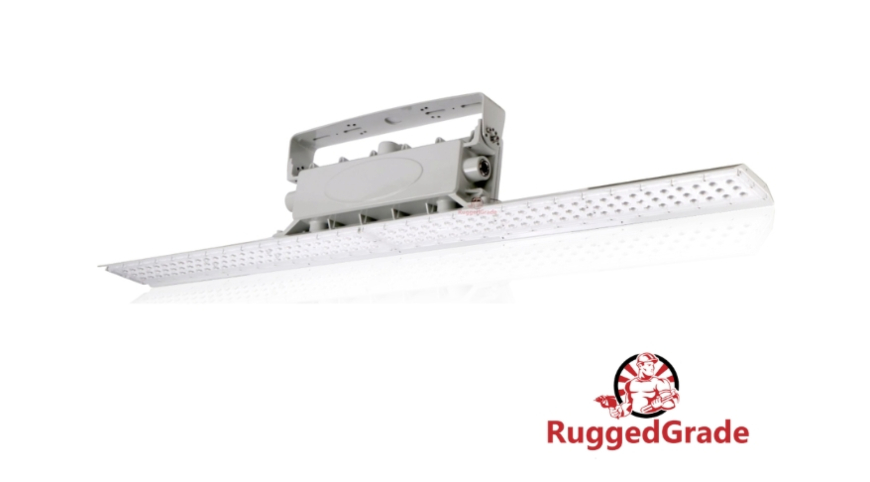
Linear Explosion Proof Fixtures
Linear explosion proof lights are best suited for walkways, corridors, stairwells, and processing lines. Their elongated design delivers even light distribution along narrow or elongated spaces. These fixtures are common in refineries, food processing plants, and chemical handling areas.
Flood and Area Explosion Proof Lights
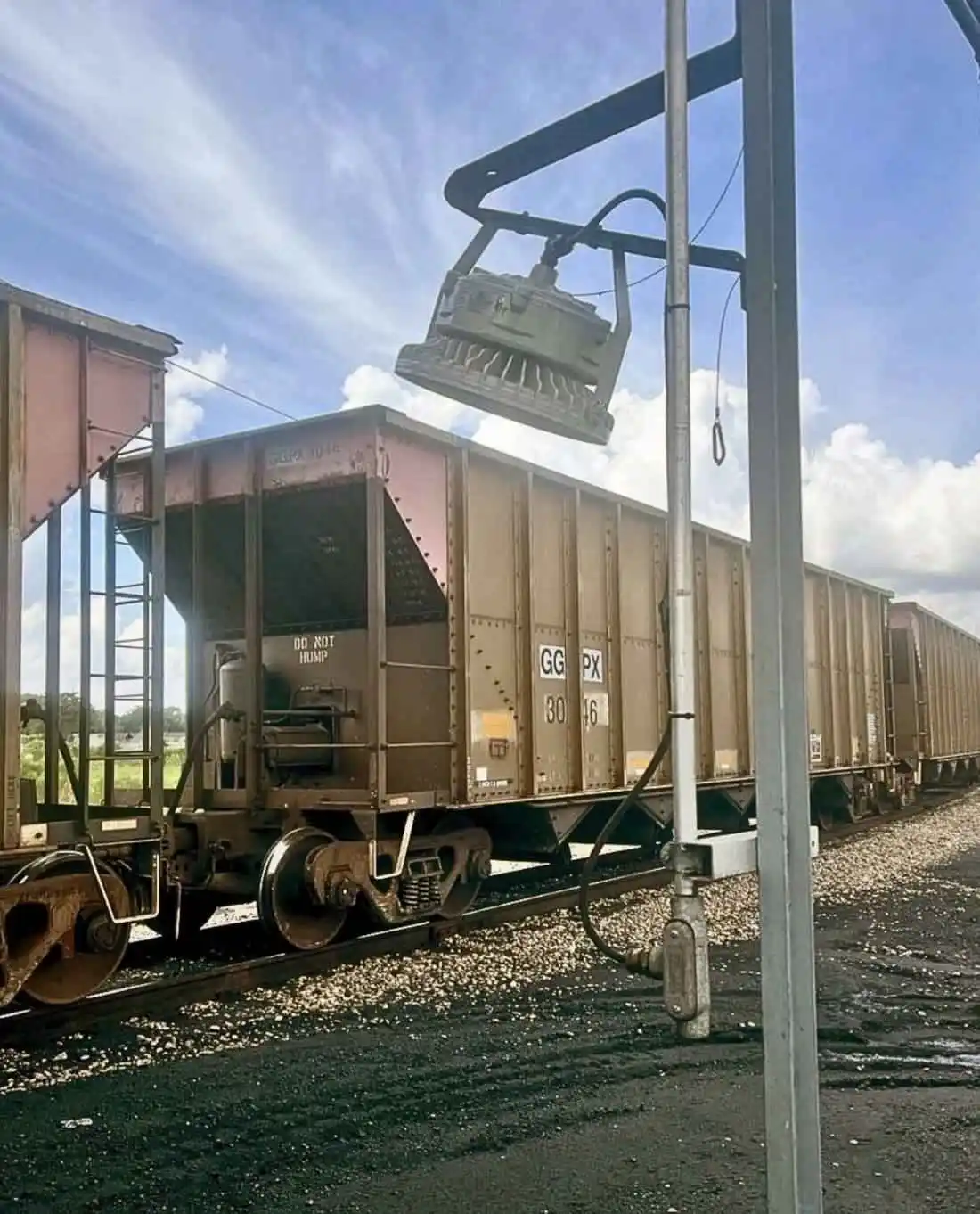
Explosion proof flood and area lights are used for perimeter lighting, loading zones, tank farms, and outdoor hazardous locations. These fixtures offer directional control and broad coverage, making them effective for security lighting and large exterior work areas.

Emergency and Exit Explosion Proof Lighting
Emergency and exit explosion proof lighting supports safe evacuation during power loss or emergency events. These fixtures are required in many hazardous locations to meet safety and building code requirements. Battery backup and clear visibility are critical features in these applications.

Choosing the correct explosion proof light type improves safety, reduces shadows, and limits the need for excess fixtures.
Common Mistakes to Avoid When Choosing Explosion Proof Lights
Even experienced facility managers make costly mistakes when selecting explosion proof lighting. These issues often lead to failed inspections, safety risks, or expensive replacements.
Using vapor proof instead of explosion proof fixtures
Vapor proof lights are sealed against moisture and dust, but they do not contain internal explosions. Using them in hazardous locations violates code and creates serious ignition risks.
Ignoring hazardous group ratings
Not all explosion proof lights are approved for every gas or dust type. A fixture rated for propane vapors may not be suitable for hydrogen or metal dust. Always match the group rating to the materials present.
Underestimating lumen requirements
Hazardous environments often require higher light levels for safety and task accuracy. Selecting fixtures with insufficient lumen output leads to poor visibility, eye strain, and increased accident risk.
Skipping certification verification
Explosion proof lights must carry proper certifications such as UL, ETL, ATEX, or IECEx. Certification markings should be clearly listed on the fixture and documentation. Assumptions are not acceptable in hazardous environments.
Avoiding these mistakes protects workers, equipment, and long-term facility operations.
Applications That Require Explosion Proof Lighting
Explosion proof lighting is required anywhere flammable materials could ignite due to heat, sparks, or electrical faults. These environments demand fixtures built to control ignition risks while maintaining reliable visibility.
Oil and gas facilities
Refineries, drilling sites, compressor stations, and fuel storage areas rely heavily on explosion proof lights. Flammable gases and vapors are often present during normal operations, making properly rated explosion proof LED lights a necessity for safety and compliance.
Chemical processing plants
Chemical manufacturing and processing facilities handle volatile substances that can ignite under the right conditions. Explosion proof lighting helps prevent internal fixture failures from triggering fires or explosions in production areas, storage rooms, and transfer points.
Grain elevators and food processing facilities
Grain dust, flour, sugar, and other fine organic particles are highly combustible. Explosion proof lights are used throughout silos, conveyors, milling areas, and packaging zones to reduce ignition risks tied to airborne dust.
Paint booths and spray areas
Paint vapors and solvents create hazardous atmospheres even during routine operations. Explosion proof lighting provides consistent illumination for quality control while preventing vapors from igniting due to internal fixture heat or arcing.
Battery charging rooms
Battery charging areas, especially those using lead-acid batteries, can release hydrogen gas during charging cycles. Explosion proof light fixtures help control ignition risks in these enclosed spaces while maintaining adequate light levels for maintenance and monitoring.
In each of these applications, explosion proof lighting is not a recommendation. It is a requirement driven by safety codes, insurance standards, and real-world risk.
Conclusion and Call to Action
Choosing the right explosion proof lights starts with understanding the hazards present in a facility. Standard lighting cannot safely operate in environments where flammable gases, vapors, dust, or fibers exist. Explosion proof lighting is engineered to contain internal ignition sources and protect both people and property.
By identifying hazardous location classifications, evaluating environmental conditions, selecting the proper explosion proof light type, and avoiding common mistakes, facilities can create safer workspaces that meet regulatory requirements. Explosion proof LED lights also bring long service life, reduced maintenance, and consistent performance to high-risk environments.
Lighting decisions in hazardous areas should never be rushed or based on assumptions. The right explosion proof lighting strategy reduces risk, supports compliance, and keeps operations running without interruption.
About the Author: About James Crowley on X.
About us: See our About us page for more about RuggedGrade
