
Posted by James Crowley on 10/9/2025 to
LED Parking Lot Lights
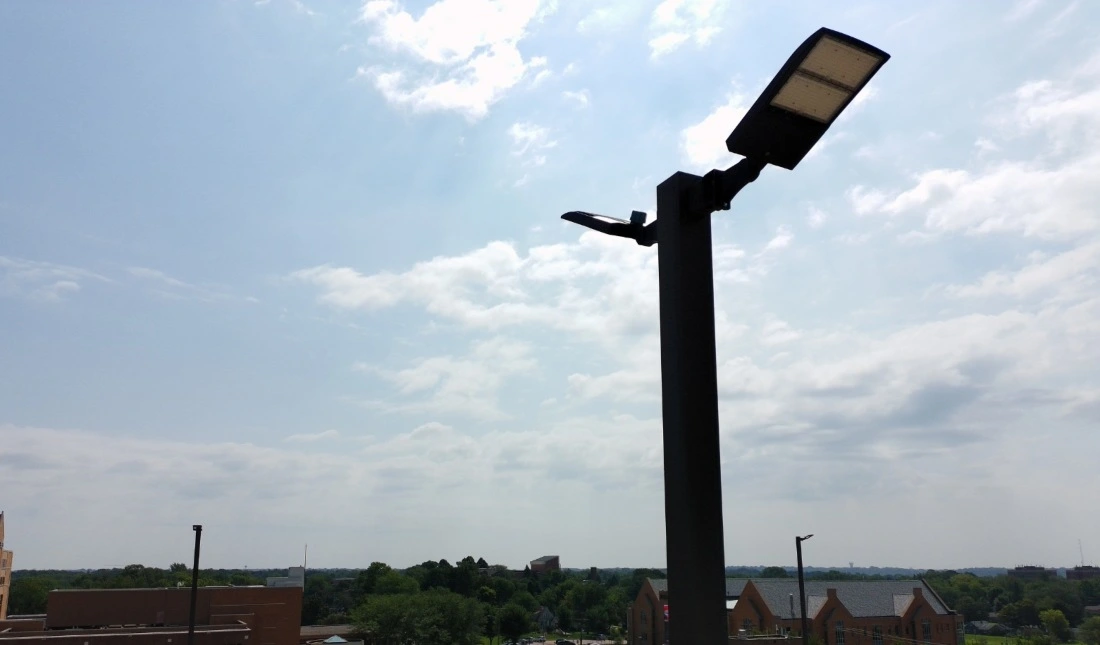
Lighting sets the tone the moment someone pulls in. A bright, even lot signals safety, care, and professionalism. Dark patches or harsh glare tell a different story. The right plan protects people, reduces liability, and makes a property look cared for. It also saves money. A thoughtful layout lets led parking lot lights do their best work with fewer fixtures and less wasted energy.
Great lighting is not just about brightness. It is about consistency, comfort, and clear sight lines. Uniform illumination helps drivers see pedestrians. It helps cameras capture detail. It keeps entrances, crosswalks, and pay stations visible. Good layout makes this happen with predictable results, night after night.
Why Parking Lot Lighting Layout Matters
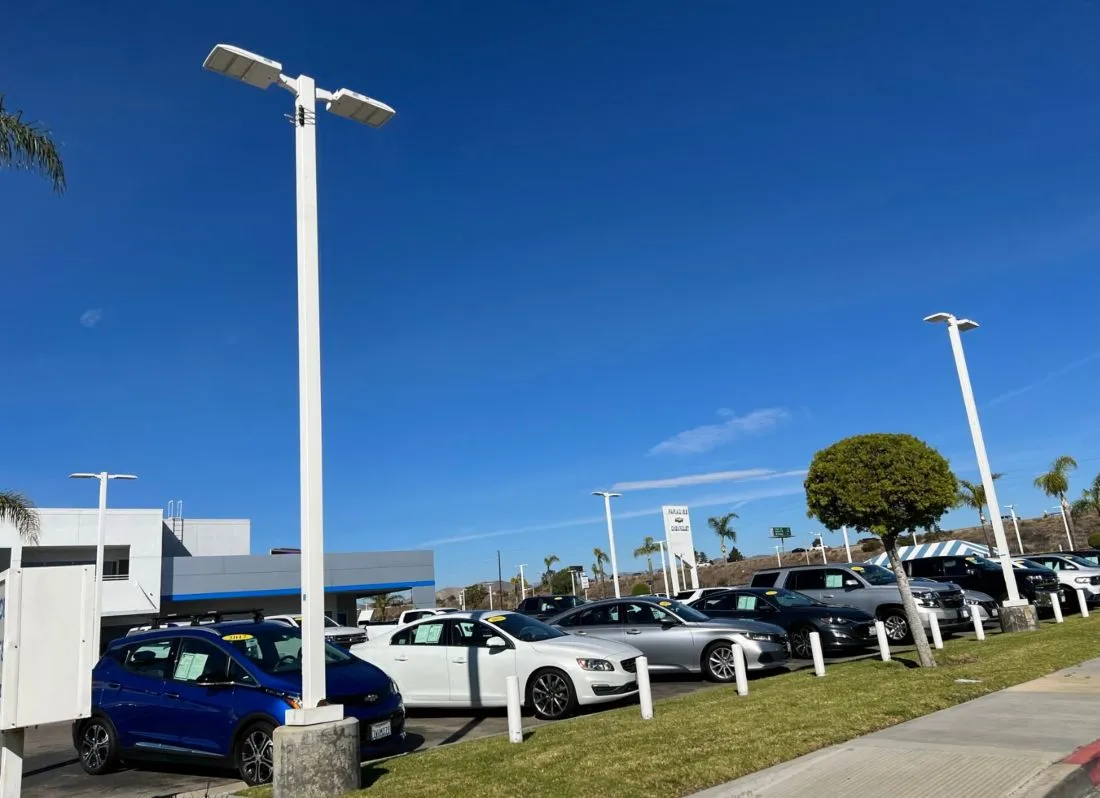
A layout is the blueprint that turns fixtures into a safe environment. Without it, even the best parking lot lights can create glare, shadows, and hot spots that confuse drivers and hide risks. With it, you get uniform light levels, clear wayfinding, and safe footpaths from car to door.
Visibility and Security
- Even light reduces deep shadows that hide hazards.
- Proper pole height and spacing prevent glare that blinds drivers.
- Correct aiming and optics reveal faces for security cameras.
- Reliable coverage lowers the chance of trips, falls, and collisions.
Customer Experience
People judge a property by how it feels at night. A well lit lot feels open and welcoming. Color-consistent led parking lot light fixtures help signs and storefronts read clearly. Clear visibility shortens the walk from car to entrance. That comfort keeps visitors longer and brings them back.
Energy Efficiency and Code Compliance
A smart layout targets light where it is needed and cuts spill where it is not. That means fewer watts for the same or better results. Proper optic selection, correct pole locations, and controls like photocells and dimming schedules all lower operating costs. A planned design also aligns with local codes, light trespass limits, and Dark Sky goals. Good documentation helps approvals move faster and reduces costly changes later.
Common Mistakes in Parking Lot Lighting Layout
Insufficient Light Levels
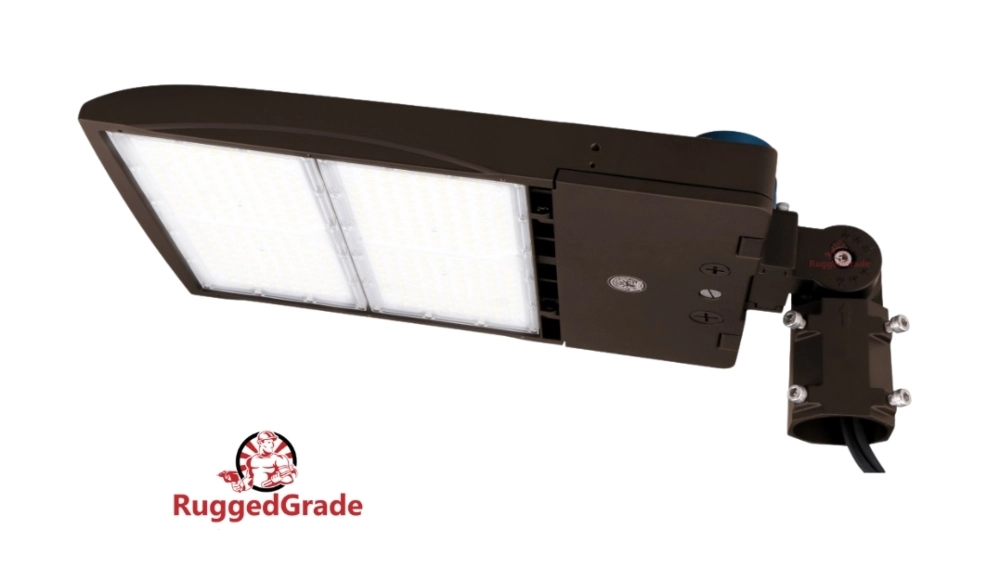
Too few fixtures or underpowered heads lead to blind spots. Drivers miss curbs. Pedestrians disappear between cars. Insurance claims rise. This problem often starts with guessing instead of modeling. A quick photometric check would show where the dark zones sit, especially at drive aisles, corners, and crosswalks. Right sizing led parking lot lights and setting minimum target levels across the whole lot prevents these hazards.
Overlighting and Light Pollution
More light is not always better. Too much brightness creates glare, wastes energy, and frustrates neighbors. It also ruins night vision for drivers and makes security video wash out. Good design caps average light levels, trims spill, and uses shields where needed. Choose CCT thoughtfully. Warm to neutral tones curb harshness and keep signage legible without blowing out the façade.
Poor Fixture Placement
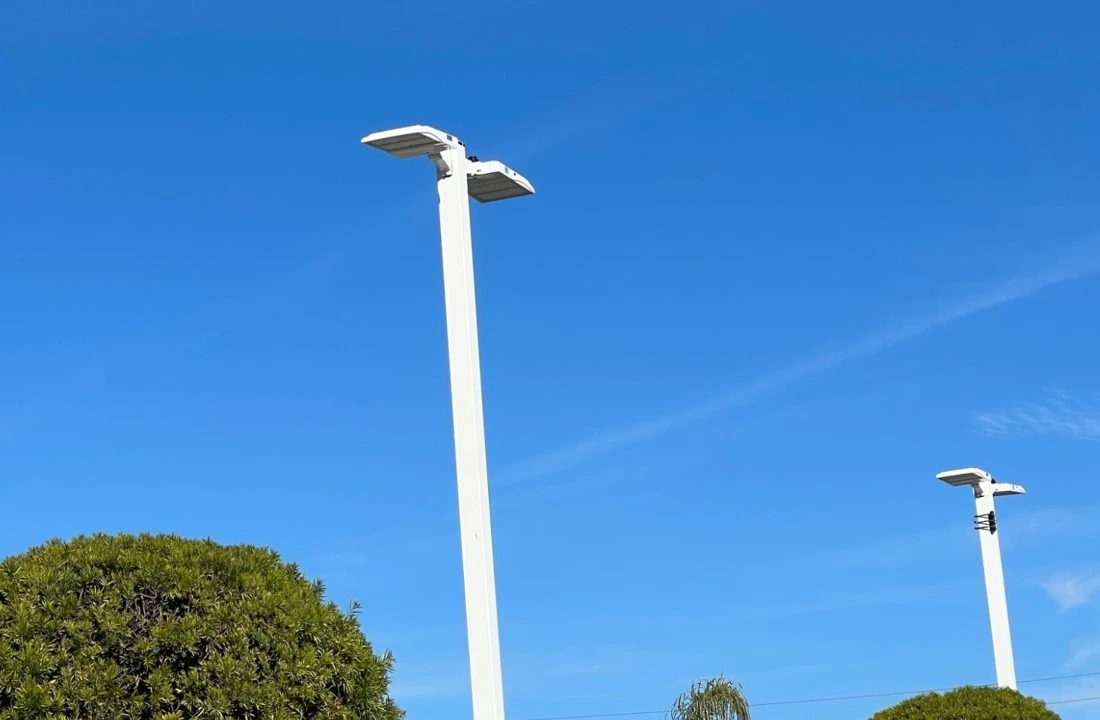
Bad spacing is the most common issue. Poles placed too far apart create zebra striping. Too close and you get overlapping hot spots that feel harsh and look uneven. Start with a spacing ratio tied to mounting height and the chosen optic. Then test with a layout. Keep light poles out of parking stalls where bumpers will hit them, and do not block cameras or traffic sight lines. Thoughtful placement lets parking lot lights work with fewer watts and fewer poles.
Wrong Mounting Height
Mounting height controls coverage and glare. Poles that are too low push light sideways, which creates glare and wastes energy. Poles that are too high flatten the beam and lose punch on the pavement. Match height to the optic and the lot width. As a simple rule, wider drive aisles and deeper parking bays call for taller poles, but only if the optic supports the throw. Always validate with a photometric plan.
Ignoring Optics and Beam Angles
Beam selection is not a style choice. It determines where the light lands. Use forward throw optics along property edges to keep light inside the site. Use Type III or Type IV along drive lanes and rows of stalls. Use Type V in center islands or square areas. Mixing the wrong beams creates holes, hot spots, and wasted spill. Selecting led parking lot light fixtures with multiple optic options gives flexibility without changing the look of the site.
Not Considering Uniformity
People notice inconsistency more than brightness. Bright to dark swings make lots feel unsafe and can hide tripping hazards. A low average to minimum ratio signals smooth coverage and comfort for the eye. Prioritize uniformity first, then tune average levels. This approach often lowers the total wattage while improving the experience.
Overlooking Energy Efficiency and Controls
Leaving lights on full power all night burns cash. Basic controls like photocells and time-based dimming schedules pay back quickly. Add motion sensors in low traffic zones to raise light levels only when needed. Networked controls allow grouping, remote scheduling, and simple code reporting. These upgrades shrink the bill and help meet sustainability goals without hurting visibility.
Ignoring Maintenance Access
A layout that looks tidy on paper can be a nightmare to service. Poles squeezed behind landscaping or bollards slow every repair. Heads that require special lifts raise costs. Standardize mounting heights and bracket types. Keep clear truck paths to each pole base. Choose led parking lot light fixtures with tool-less access and drivers that are easy to swap. Design for a ten year service life and the maintenance budget will thank you.
Best Practices for Effective Parking Lot Lighting Layout
Perform a Photometric Analysis Before Installation
Treat the layout as part of the scope, not an afterthought. A photometric plan shows footcandle levels, uniformity, and glare points across the site. It also makes code conversations easier. Adjust pole locations and optics on screen before concrete is poured. This single step avoids most change orders and cuts project risk.
Balance Safety, Efficiency, and Compliance
Start with target light levels for drive aisles, parking rows, and pedestrian routes. Layer on uniformity ratios to keep the experience comfortable. Then set an energy budget and control strategy that meets code. Document light trespass limits at the property line. If spill is high, pivot to tighter optics or add shields. Aim for a plan that meets the numbers without excess wattage.
Use LED Fixtures With Proper Optics for Uniform Coverage
Select LED parking lot lights that offer a family of optics, bracket options, and CCT choices. Match Type III or IV for rows and lot edges. Use Type V for islands. Confirm tilt and orientation for every head in the plan. Specify CRI that supports camera clarity and color accuracy on site. Consistent product families also simplify maintenance and stocking of spare parts.
Plan for Controls Integration
Build controls into the layout. For most sites, a schedule with late-night dimming across low-traffic zones reduces energy use while maintaining safety. Motion sensor zones can increase levels near entrances or loading areas when activity occurs. Networked systems help property teams monitor outages, verify schedules, and export code compliance reports. This is the easiest path to long-term savings without performance tradeoffs.
Inspect and Adjust After Commissioning
Nighttime aiming and verification are essential. Walk the site, measure light levels, and check camera views. Nudge heads to remove glare from windshields. Trim any spill onto neighboring windows. Confirm time clock settings, sensor sensitivity, and group behavior. Small tweaks here lock in years of better performance.
Maintain a Simple Service Plan
Create a fixture map with pole numbers, circuit notes, and head types. Stock spare drivers and photocells. Schedule annual cleanings to keep lenses clear and output steady. Quick maintenance keeps uniformity high and prevents small failures from spreading.
Conclusion
A parking lot can look bright and still be poorly lit. The difference is layout. A clear plan sets mounting heights, spacing, and optics that work together. It avoids glare, fills in dark corners, and saves energy without sacrificing safety. Start with a photometric analysis. Select led parking lot light fixtures that match the site geometry. Add controls to right size light through the night. Then validate on site and keep a simple maintenance routine.
Done well, parking lot lights fade into the background while people feel safe and welcome. The property looks cared for. The energy bill stays in check. And the lighting performs the same way every night, quietly doing its job.
About the Author: About James Crowley on X.
About us: See our About us page for more about RuggedGrade
